
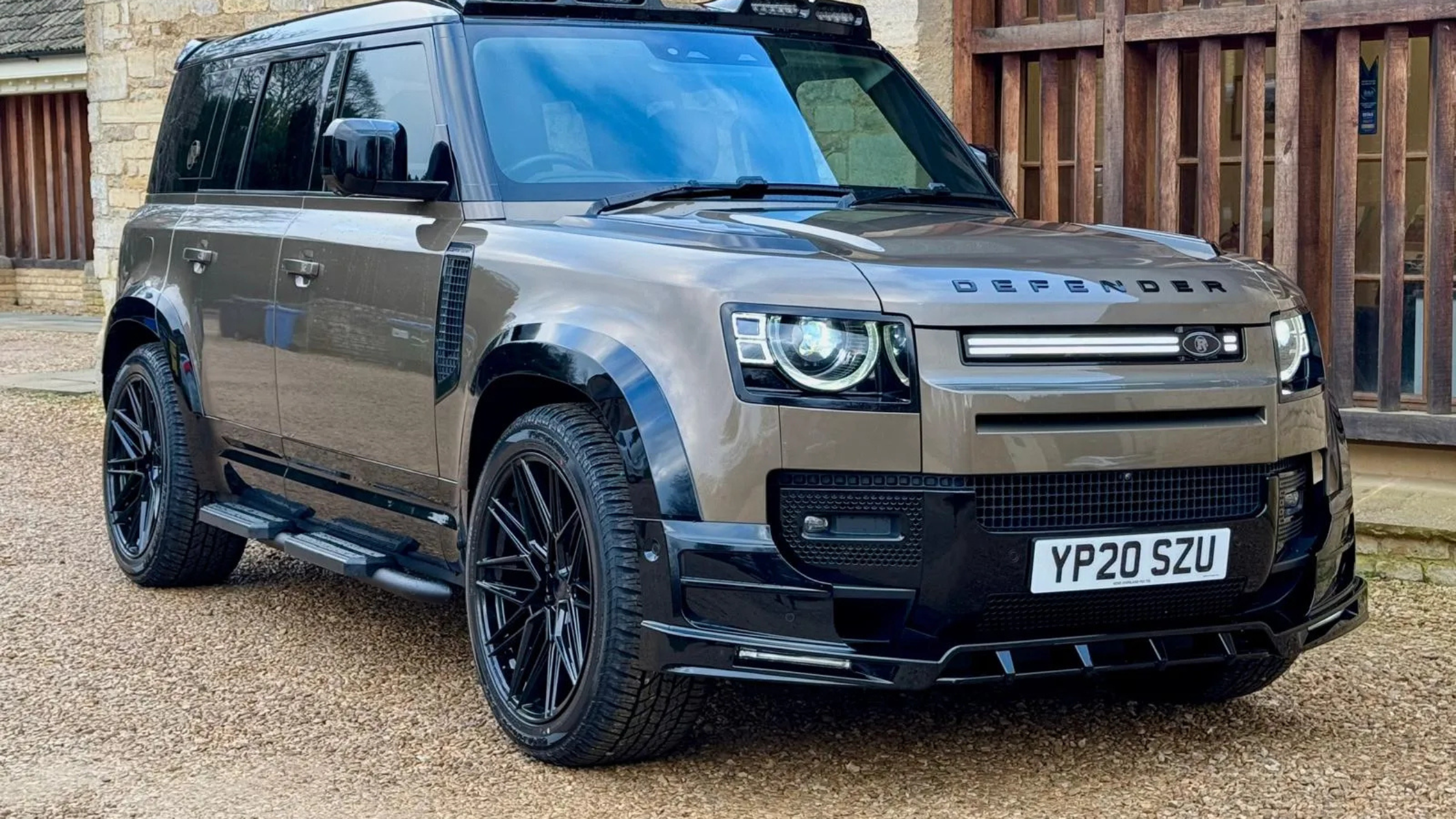
A certified collision repair center uses manufacturer-approved parts, equipment, and repair procedures verified through rigorous training standards. This ensures your vehicle is restored to its original safety, performance, and structural integrity. A standard body shop may repair the appearance of damage, but often cannot guarantee crashworthiness, ADAS recalibration accuracy, or warranty protection. For modern cars—especially luxury and performance vehicles—this difference directly affects safety, resale value, and long-term reliability.
Why This Matters More Today Than Ever
Vehicles today are no longer built like cars from 10+ years ago. They now include:
- High-strength steel and aluminum body structures
- Advanced Driver Assistance Systems (ADAS) like lane assist + automatic braking
- Complex sensor networks and computer-controlled safety modules
These systems must be repaired to exact specifications—often down to millimeters.
That level of precision can’t be approximated.
According to I-CAR (the Inter-Industry Conference on Auto Collision Repair), 70%+ of modern vehicles require ADAS recalibration after even minor collisions.
Failure to calibrate can cause life-critical features to malfunction.
Case Example: A Mercedes Front-End Repair
A customer came to City of Stars Collision Center after a low-speed front-end accident.
Another body shop had already:
- Replaced the bumper
- Painted the panels
- Returned the vehicle as “complete”
However, the customer noticed:
- Lane Keep Assist randomly disengaging
- Adaptive Cruise Control following too closely
- The collision warning light flashing occasionally
Upon inspection, we found the front radar sensor was misaligned by only 4 millimeters.
Just 4 mm caused multiple safety systems to fail.
Once we performed OEM-required ADAS recalibration, every function returned to normal.
This is why certification matters.
It protects the systems designed to prevent accidents.
What Makes a Collision Repair Shop “Certified”?
A certified collision repair center is trained and audited by auto manufacturers (OEMs) to ensure repairs meet factory engineering standards.
Certification Includes:
| Requirement | Why It Matters |
| Factory-approved repair procedures | Preserves structural crashworthiness |
| OEM diagnostic tools & calibration equipment | Ensures electronics and safety systems function exactly as intended |
| Genuine manufacturer parts | Guarantees correct fitment, strength, and sensor compatibility |
| Ongoing technician training (I-CAR, ASE, OEM Certifications) | Keeps repairs aligned with evolving vehicle technology |
Most standard body shops do not have access to OEM training, equipment, or repair documentation.
How Certified Shops Protect Vehicle Integrity
1. Structural Repair & Frame Alignment
Modern vehicles are engineered with strategic crumple zones that absorb energy in a crash.
If these are not restored to factory spec, the vehicle may:
- Bend differently in a future accident
- Transfer crash force directly to passengers
- Fail to deploy airbags correctly
IIHS research shows that improper structural repair can increase injury risk by 30% or more in subsequent collisions.
2. OEM vs. Aftermarket Parts: A Critical Difference
| Part Type | Strength | Fitment | Warranty | Safety Rating |
| OEM (Manufacturer Original) | Matches original crash-test design | Perfect fit | Maintains manufacturer warranty | Certified |
| Aftermarket (Generic) | Variable—often weaker | May require forced fit | Can void warranty | Not crash-tested for your vehicle |
A cheaper part is not cheaper if it compromises safety.
3. ADAS Recalibration
Most modern vehicles rely on sensors mounted in:
- Bumpers
- Windshields
- Side mirrors
- Grilles
Even a paint refinish can require recalibration.
Certified shops use factory scan tools to restore systems such as:
- Automatic Emergency Braking
- Blind Spot Monitoring
- Parking Assist
- Collision Avoidance
- Lane Departure Warning
A standard shop may not even check these systems.
Addressing a Common Objection
“But a certified shop seems more expensive…”
In some cases, yes—but it costs more because more is being done correctly.
Choosing a non-certified shop can lead to:
- Repeat repairs (more cost later)
- Compromised safety
- Lower resale value
- Voided manufacturer warranties
Certified repair pays for itself by preventing future damage and protecting the vehicle’s value.
How City of Stars Collision Center Demonstrates Expertise
City of Stars Collision Center is:
- Manufacturer Certified for major luxury brands
- I-CAR Gold Class and ASE Master Technician staffed
- Equipped for OEM Structural Repair
- Fully qualified for ADAS scanning + calibration
- Specialists in Mercedes-Benz, Porsche, Land Rover, Audi, and Sprinter platforms
For over a decade, we’ve repaired vehicles for:
✔ Dealership networks
✔ Insurance partners
✔ Private luxury owners
✔ Fleet and commercial clients
Craftsmanship, documentation, and safety come first.
If Your Vehicle Was Recently in an Accident:
You don’t need to guess whether repairs were done correctly.
We offer complimentary post-repair inspections to check:
- Frame alignment
- Sensor calibration
- Structural integrity
- Correct part usage
No cost. No obligation. Just clarity.
📞 Call: 323-665-5700
📍 4751 Santa Monica Blvd, Los Angeles, CA 90029
