Body Shops Near Los Feliz, Silver Lake and Echo Park

The best collision shop for you is close enough to reach without a freeway trip, certified for your specific vehicle make, equipped to calibrate modern safety systems, and clear about what the repair includes before work starts. In the Los Feliz, Silver Lake, and Echo Park corridor, those four filters narrow the field quickly.

Most people choose a body shop under pressure, usually right after something has already gone wrong. Here is a straightforward way to evaluate your options in this part of Los Angeles.

Why Proximity Matters More Than People Expect

A collision repair is not a one-visit transaction. Between the estimate, the drop-off, the rental handoff, any supplement discussion, and the pickup, you are likely to interact with the shop several times. If a sensor needs calibration after reassembly or you want a paint finish rechecked in daylight, add another trip.

A shop twenty minutes away in traffic turns each of those into an errand. A shop on your side of the hill does not. In this part of the city the practical dividing lines are the 101, the 5, and the 2, and crossing one of them at the wrong hour is the difference between a ten minute drive and a forty minute one.

Seven Things Worth Checking Before You Commit


Seven Things Worth Checking Before You Commit

What to check

Why it matters

How to verify

Manufacturer certification for your make

Repair procedures are written per manufacturer, and certified shops are trained and equipped to follow them

Ask which makes the shop is certified for and look for the certification on their site

Technician training

I-CAR and ASE credentials indicate ongoing training rather than a one-time qualification

Ask directly, it is a normal question

ADAS and calibration capability

Many vehicles need camera or radar calibration after collision work

Ask whether calibration is done in house or sublet, and how it is documented

Written estimate process

A clear estimate sets expectations before anything is disassembled

Ask how changes are communicated if hidden damage is found

Warranty on workmanship

Tells you what the shop stands behind after you drive away

Ask what is covered and for how long, in writing

Transportation while you wait

Rental coordination and pickup or delivery decide how disruptive the repair is

Ask what is arranged and when

Communication cadence

The most common complaint about any shop is silence

Ask who updates you, how often, and by what method

If a shop answers all seven clearly and without hedging, that tells you something on its own.

Neighborhood Notes

Los Feliz. Hillhurst and Vermont are tight, heavily parked streets, which is where a lot of door dings, mirror strikes, and low-speed bumper contact happen. These are the repairs most worth getting an estimate on before assuming you need a full replacement.

Silver Lake. Steep, narrow residential streets around the reservoir plus dense street parking produce a steady mix of cosmetic damage and backing incidents. Sunset and Silver Lake Boulevard carry the heavier traffic.

Echo Park. Sunset and Glendale Boulevard are high-volume commuter corridors with frequent stop-and-go, which is where rear-end contact tends to happen. Proximity to the 101 and the 110 means a lot of residents drive daily.

East Hollywood and Thai Town. Dense, transit-heavy, and busy along Santa Monica and Western. Walk-in convenience matters here, since many residents can drop a vehicle and get home without needing a ride.

Hollywood. Heavy traffic volume, tourist drivers unfamiliar with the streets, and constant lane changes along Sunset, Highland, and Santa Monica. A higher share of multi-vehicle and lane-change damage.

Atwater Village. Across the river and close to the 5 and the 2. Convenient to the shop by way of Glendale Boulevard or Los Feliz Boulevard without a freeway stretch.

Questions Worth Asking on the First Call

Keep it to five. Any shop worth using can answer these quickly.

  1. Are you certified for my make and model?
  2. Do you perform calibrations in house, and will I get documentation?
  3. What happens if you find additional damage after disassembly?
  4. What transportation is available while my vehicle is here?
  5. What does your warranty cover?

Write down the answers. Comparing two shops is much easier with five parallel answers than with two general impressions.

What Should Give You Pause

None of these mean a shop is bad. They do mean you should ask more questions.

An estimate given from a parking lot walk-around with no plan to look behind the damaged panel is a starting point, not a complete assessment. Vague answers about calibration on a vehicle with driver assistance features are worth probing. A timeline promised before anyone has confirmed part availability is optimistic by nature. And if nobody can tell you who your point of contact is, expect to be the one chasing updates.

Frequently Asked Questions

How close should my body shop be? Close enough that a second or third visit is not a burden. Plan on at least two trips and possibly more if calibration or a finish check is needed.

Does the shop need to be certified for my specific make? It matters most on vehicles with aluminum structures, advanced driver assistance systems, or manufacturer-specific repair procedures. Certification means the shop has the training, equipment, and documentation access for that make.

Should I get more than one estimate? Many people do. Compare what each estimate actually includes rather than only the total, since an estimate written before disassembly may not reflect everything the repair requires.

Can a body shop repair my car if the damage looks minor? Yes, and minor damage is worth an inspection anyway. Impacts that look cosmetic can affect mounting points, sensors, or structure behind the panel.

Do body shops near Los Feliz work on luxury and European vehicles? Some do and some do not. Ask which manufacturers a shop is certified for before assuming, particularly for European makes with specific procedural and equipment requirements.

How do I get my car to the shop if it is not drivable? Ask about pickup and towing when you call. Many shops can arrange transport so you are not coordinating it yourself.

We Are Minutes From All of These Neighborhoods

City of Stars Collision Center sits at 4751 Santa Monica Blvd, roughly half a mile from Los Feliz, about a mile from Silver Lake, and a short drive from Echo Park, East Hollywood, Hollywood, and Atwater Village. No freeway required from any of them.

We have repaired vehicles in this part of Los Angeles for more than 30 years. Our technicians are ASE and I-CAR Gold Class trained, we are a certified Audi collision center, and we hold additional manufacturer certifications including work with Mercedes-Benz and Jaguar Land Rover vehicles. Free rental car, free pickup and delivery, insurance claim assistance, and a lifetime warranty on our repairs come standard.

Call or request a free estimate online. We are at 4751 Santa Monica Blvd in Los Angeles, open Monday through Friday.

📞 Call: 323-665-5700
📍 4751 Santa Monica Blvd, Los Angeles, CA 90029


Rental Car During Collision Repair

In most cases you pick up a rental the same day you drop your vehicle off for repair, not when the accident happens. How the rental is paid for depends on your policy and your claim, and how long you can keep it depends on both your coverage limits and how long the repair takes. The shop coordinates the handoff so you are not left without transportation.

That is the short version. The details below are where people usually get tripped up, and a few of them can cost you days of rental time if you get the sequence wrong.

The Three Ways People Usually End Up in a Rental

It helps to separate them, because they work differently.

  • Rental reimbursement on your own policy. This is typically an optional coverage you either added or did not. It generally has a daily dollar limit and a total limit per claim. Whether you have it, and what those limits are, is on your policy declarations page.
  • A rental arranged through a claim. When another driver’s carrier is handling the claim, rental arrangements are usually made through that carrier. Timing and approval are handled between the carrier and the rental company.
  • A rental or loaner provided through the shop. Some collision centers, including ours, arrange a rental as part of the repair so you are covered regardless of how the claim side plays out.

These are not mutually exclusive, and the answer for your situation depends on your policy and your claim. Your insurer can tell you exactly what your coverage includes. The shop can tell you what it provides.

When to Actually Pick Up the Rental

This is the single most useful thing in this article: start the rental when the repair starts, not before.

A rental picked up the day after the accident, while you are still waiting on an estimate or on parts to arrive, burns days off a limited allowance before any work has begun. If your coverage has a total limit, those are days you will want back later.

The better sequence:

  1. Get the vehicle inspected and an estimate written.
  2. Let the shop order parts and confirm they have arrived.
  3. Schedule the drop-off date.
  4. Pick up the rental on drop-off day.

If your vehicle is not safe to drive in the meantime, that changes the math and you may need a rental sooner. Say so upfront so it can be planned around.

What to Expect on Drop-Off Day

The handoff is usually straightforward when the shop and the rental company coordinate:

  • You arrive at the shop and complete drop-off paperwork
  • The rental is either waiting at the shop or you are shuttled a short distance to pick it up
  • You bring your driver’s license and a credit card in your name
  • You move personal items, toll transponders, garage remotes, and child seats out of your vehicle
  • You confirm who to contact for repair updates

Bring the card and license even if the rental is being covered. Rental companies generally require them for the agreement and any security hold, and that is a separate matter from who pays for the rental days.

Rental Coverage at a Glance

QuestionWhat usually determines the answer
Do I have rental coverage?Whether rental reimbursement was added to your policy
How much per day?Your policy’s daily limit, if you have this coverage
How many days total?Your policy’s per claim limit, and the repair duration
What size or class of car?The daily limit and what the rental location has available
Who arranges it?Your carrier, the other driver’s carrier, or the shop
What if the repair runs long?A conversation between you, the shop, and your carrier

Confirm the specifics with your insurance company before drop-off day. A five minute call avoids the most common surprises.

About Vehicle Class

If you drive a larger or higher-end vehicle, know that a daily rental allowance does not always cover something comparable. A luxury SUV rental can exceed a standard daily limit, and the difference is generally yours to cover if you want that class of vehicle.

There are usually three options: accept a smaller vehicle at no additional cost to you, pay the daily difference for something closer to what you drive, or ask the shop what it can arrange directly. Ask before drop-off day rather than at the rental counter.

What Happens If the Repair Takes Longer Than Expected

Repairs run long for real reasons. A part arrives damaged or on backorder. Teardown reveals damage that was not visible in the initial estimate. A calibration has to be scheduled after a sensor is reinstalled.

If your rental allowance is running out before the vehicle is ready:

  • Tell the shop early rather than on the last day
  • Ask for a written status and a realistic completion date, which your carrier will usually want
  • Ask your carrier what extension options exist under your policy
  • Ask the shop what it can do on its end

Shops deal with this regularly. The outcome is usually better when the conversation starts a week out instead of the morning your coverage ends.

Returning the Rental

In most cases you return the rental when you pick up your repaired vehicle, often at the shop itself if the rental company has an arrangement there. Before you hand back the keys:

  • Refuel to the level required by your rental agreement
  • Remove everything, including items in the trunk and glove box
  • Move your transponder and any accessories back to your own vehicle
  • Do a quick walk around with the rental representative and get confirmation the rental is closed

Keep your final rental receipt with your claim paperwork.

Frequently Asked Questions

  • Does my insurance pay for a rental while my car is being repaired? It depends on whether your policy includes rental reimbursement coverage and how your claim is being handled. Check your declarations page or call your insurer directly, ideally before your drop-off date.
  • Do body shops provide rental cars? Some do and some do not. Shops that arrange rentals typically coordinate the handoff at drop-off so you leave with transportation the same day. Ask when you schedule the repair.
  • When should I pick up the rental car? On the day you drop your vehicle off for repair. Picking one up while you are still waiting on an estimate or parts uses days you may want later.
  • What happens if my repair takes longer than my rental coverage allows? Raise it early. The shop can provide a status and completion estimate, and your carrier can explain what extension options your policy allows.
  • Can I get a rental if I do not have rental coverage on my policy? Often yes, through the shop or by renting directly. Ask the shop what it arranges before you assume you are on your own.
  • Will I get a car similar to mine? Not always. Rental class typically depends on daily coverage limits and local availability. If a comparable vehicle matters to you, ask about it before drop-off day.

Do Not Let Transportation Be the Reason You Delay a Repair

At City of Stars Collision Center, a free rental car is available while your vehicle is with us, along with free pickup and delivery if getting to the shop is the obstacle. Our team also assists with the insurance claim process, so the rental, the repair, and the paperwork are coordinated rather than left to you to chase.

We have served Hollywood, Los Feliz, Silver Lake, East Hollywood, and Echo Park for more than 30 years, and our technicians are ASE and I-CAR Gold Class trained.

Call or request a free estimate online. We are at 4751 Santa Monica Blvd in Los Angeles, open Monday through Friday.

📞 Call: 323-665-5700
📍 4751 Santa Monica Blvd, Los Angeles, CA 90029

Bumper Repair vs Bumper Replacement

A damaged bumper can usually be repaired when the cover is scuffed, scraped, or has minor cracks and the mounting points are intact. Replacement is typically the better call when the cover is torn, cracked through multiple areas, distorted around sensor mounts, or when the structure behind it absorbed the impact. A technician confirms which applies by inspecting the bumper off the vehicle.

That short answer covers most cases. The longer explanation matters because “bumper” means something very different on a 2024 vehicle than it did on a 1994 one, and that difference drives most of the cost.

What Is Actually Behind Your Bumper

What most drivers call the bumper is the bumper cover, a painted plastic shell. Behind it sits a system of parts:

  • The bumper cover. Flexible thermoplastic, painted to match the vehicle. This is the part that shows scuffs and cracks.
  • The energy absorber. A foam or honeycomb block designed to compress during an impact and then stay compressed.
  • The reinforcement bar. A steel or aluminum beam that carries the real impact load.
  • Crush cans and brackets. Mounting hardware engineered to deform in a specific way.
  • Sensors and modules. Parking sensors, radar units, and cameras are commonly mounted in or directly behind the cover.

Repairing a bumper means repairing the cover. The absorber, reinforcement bar, and crush cans are designed to deform once and are replaced rather than repaired when they have taken an impact.

When Bumper Repair Is the Right Call

Repair generally works when the damage is limited to the cover and the material is still sound:

  • Scuffs, scrapes, and road rash that have not gone through the plastic
  • Small cracks that can be plastic welded or bonded from the back side
  • Broken mounting tabs, which are routinely rebuilt
  • Minor deformation in flexible plastic that can be reshaped
  • Damage confined to one area, away from sensor housings

Cosmetic parking lot damage, low-speed scrapes against a curb, and shopping cart contact often fall in this category. Repair keeps the original factory-fitted part on the vehicle, which is a real advantage on a car where panel gaps and fitment matter.

When Replacement Is the Better Option

Replacement is usually the more sensible path when:

  • The cover is torn or has material missing
  • Cracking runs across multiple areas or through a mounting point
  • The plastic is distorted around a sensor or camera opening
  • The damage extends into the grille opening, valance, or lower air dam as one piece
  • Impact reached the absorber or reinforcement bar behind the cover
  • The cover has already been repaired in the same area

There is also a practical threshold. Once a repair requires enough hours of plastic work, prep, and refinishing, replacement often costs about the same and produces a better result. Shops reach this point more often on complex covers with integrated sensor housings, chrome trim inserts, or multi-piece assemblies.

Repair vs Replacement at a Glance

FactorBumper RepairBumper Replacement
Typical damageScuffs, scrapes, small cracks, broken tabsTears, missing material, multi-area cracking, structural impact
Original part retainedYesNo
FitmentFactory fitment preservedDepends on part quality and installation
Sensor housingsMust be undamaged and undistortedNew housings, sensors transferred or replaced
Time in shopUsually shorterLonger if the part is on order
Refinish work requiredYes, in nearly all casesYes, most covers arrive unpainted
Common cost driverLabor hours for plastic work and prepPart cost plus paint

What Sensors Change About the Decision

This is the part most drivers do not expect. Front and rear bumpers on modern vehicles frequently house parking sensors, blind spot radar, and forward-facing radar for adaptive cruise control and automatic emergency braking.

Three things follow from that:

Sensor mounting geometry has to be exact. A radar unit aimed even slightly off does not report an error. It reports the wrong information. If a repair leaves the mounting area distorted, replacement is the safer choice.

Paint over radar areas is regulated by the manufacturer. Many manufacturers specify limits on paint film thickness and restrict certain high-metallic or high-solids paints over areas a radar signal passes through. A bumper refinished without regard to those specifications can interfere with the system.

Removing a sensor can require recalibration. When a radar unit or camera is removed and reinstalled, manufacturer procedures often call for calibration afterward. This is why a bumper job on a newer vehicle is rarely just a bumper job.

Why Paint Is a Large Part of the Cost Either Way

Replacement bumper covers usually arrive raw or in primer. They need full prep, primer, base coat, and clear coat before installation. Repaired covers need the same refinishing over the repaired area.

In both cases, the color often has to be blended into the adjacent fenders or quarter panels rather than sprayed only on the bumper. Bumper plastic and metal body panels absorb and reflect color slightly differently, and factory paint on a car that has spent years in Los Angeles sun is no longer the exact shade it left the factory as. Blending is what makes the repair invisible from three feet away, and it is standard practice on quality work rather than an upsell.

How the Decision Actually Gets Made

A visual estimate from the parking lot is a starting point, not a verdict. The reliable sequence looks like this:

  1. Initial inspection and photos. Establishes the visible damage and the likely path.
  2. Removal of the cover. The only way to see the absorber, reinforcement bar, brackets, and wiring.
  3. Assessment of what is behind it. Hidden damage at this stage is common, particularly on impacts that looked minor.
  4. Repair or replace call. Based on material condition, sensor locations, and manufacturer repair procedures for that specific vehicle.
  5. Updated estimate if anything changed. You should hear about a change before any additional work is authorized.

If you are working with an insurance claim, your carrier will typically want documentation of what was found during that teardown. Repair and replacement decisions are usually discussed between the shop and the adjuster, and the specifics depend on your policy and your carrier. Ask your insurer directly about how your coverage handles it.

Frequently Asked Questions

  • Can a cracked bumper be repaired? Often, yes. Small cracks in flexible plastic can be welded or bonded and refinished. Cracks that run through mounting points, extend across multiple areas, or leave material missing usually call for replacement.
  • Is bumper repair cheaper than replacement? Usually, though not always. Repair avoids the cost of the part, but heavy plastic work is labor intensive. Once repair labor plus refinishing approaches the cost of a new painted cover, replacement is often the better value.
  • Will a repaired bumper look the same? On a properly repaired and refinished cover, the repair should not be visible. Color match depends on correct blending into the surrounding panels.
  • Do I need to recalibrate sensors after bumper work? It depends on the vehicle and whether a sensor or camera was removed. Many manufacturers require calibration after removal and reinstallation. A shop following manufacturer procedures will check this for your specific vehicle.
  • Can I just have the bumper painted without repairing it? Paint will not hide a crack, a dent, or a broken tab. The substrate has to be corrected first or the damage will show through and the finish will fail early.
  • How long does bumper repair take? Cosmetic cover repair is frequently a short job. Replacement depends on part availability, and jobs involving sensor calibration or hidden structural damage take longer. Ask for a timeline once the cover has been removed and the damage is confirmed.

Get a Straight Answer on Your Bumper

City of Stars Collision Center has been repairing vehicles in Hollywood for more than 30 years. Our technicians are ASE and I-CAR Gold Class trained, and we are a certified collision repair facility for a range of manufacturers, which means we follow the repair procedures written for your specific vehicle rather than a generic approach.

If your bumper is scraped, cracked, or hanging loose, we will tell you honestly whether it can be repaired or should be replaced, and why.

Call or request a free estimate online. We are minutes from Los Feliz, Silver Lake, East Hollywood, and Echo Park. Free vehicle pickup and delivery, free rental car, and insurance claim assistance are available, and our repairs are backed by a lifetime warranty.

📞 Call: 323-665-5700
📍 4751 Santa Monica Blvd, Los Angeles, CA 90029
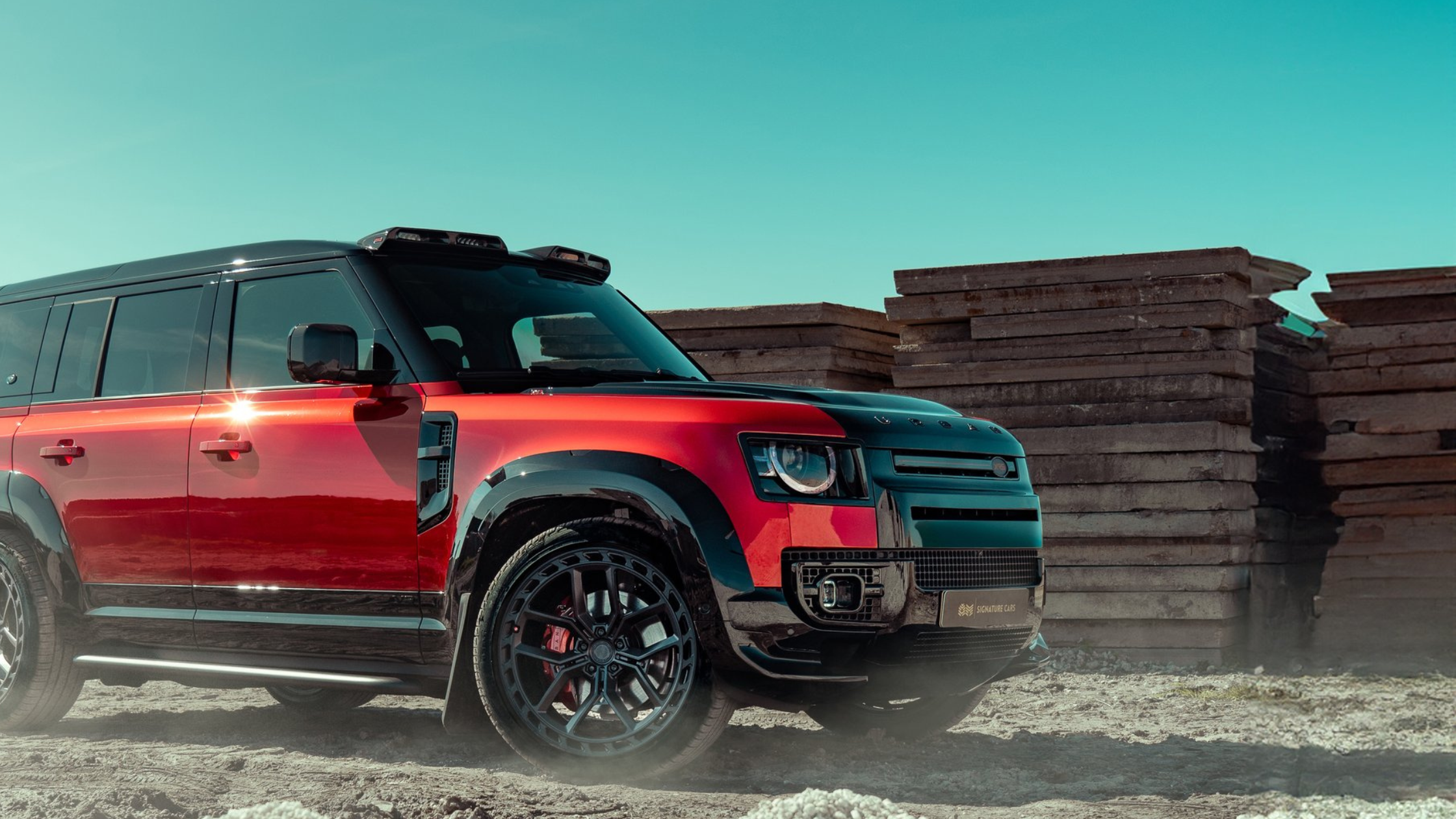
Do Sensors or Cameras Need Recalibration After Minor Accidents?

Modern vehicles are smarter than ever. Many cars now rely on sensors, cameras, radar, and advanced safety systems to help drivers stay aware of their surroundings. These systems can assist with braking, parking, lane changes, cruise control, blind spot warnings, and more.

But after an accident, even a minor one, those systems may not work exactly the way they should.

At City of Stars Collision Center, we know that collision repair is no longer just about fixing dents and paint damage. Today’s vehicles need a complete repair process that includes checking the technology behind the vehicle, not just the visible damage on the outside.

What Is Vehicle Recalibration?

Recalibration is the process of resetting or realigning a vehicle’s cameras, sensors, radar units, and related safety systems so they can read the road correctly.

Many modern vehicles use Advanced Driver Assistance Systems, also known as ADAS. These systems may include:

  • Blind spot monitoring
  • Lane departure warning
  • Lane keeping assist
  • Adaptive cruise control
  • Forward collision warning
  • Automatic emergency braking
  • Parking sensors
  • Backup cameras
  • Surround-view cameras
  • Rear cross-traffic alerts

These features depend on accurate sensor positioning. If a camera, radar, or sensor is slightly moved out of place, the system may give false warnings, miss hazards, or fail to respond properly.

Can a Minor Accident Affect Sensors?

Yes. A minor accident can absolutely affect sensors and cameras.

Even if the vehicle looks fine from the outside, a small impact can shift a bumper, grille, mirror, windshield, bracket, or panel just enough to affect the system’s accuracy. Many sensors are mounted behind bumpers or inside areas that are commonly damaged during small accidents.

For example, a light front-end impact may affect radar sensors behind the grille. A side impact may affect blind spot sensors. A rear bumper hit may affect parking sensors or cross-traffic alert systems. Even a windshield replacement or minor alignment issue can affect camera-based safety features.

The problem is that this type of damage is not always obvious by looking at the vehicle.

Why Recalibration Matters After a Collision

Your vehicle’s safety systems are only helpful if they are reading the road correctly. A camera that is slightly misaligned may not detect lane markings properly. A radar sensor that is shifted may misjudge the distance between your vehicle and the car in front of you.

That can affect important features like emergency braking, lane assistance, and adaptive cruise control.

This is why proper collision repair should include more than bodywork. The vehicle needs to be inspected as a complete system. The panels, sensors, electronics, alignment, and safety technology all work together.

Warning Signs Your Sensors May Need Attention

Sometimes, your vehicle may alert you that something is wrong. Other times, the issue may not be obvious right away.

Signs that your sensors or cameras may need recalibration include:

  • Warning lights on the dashboard
  • Lane assist not working correctly
  • Blind spot warnings acting strangely
  • Parking sensors beeping when nothing is nearby
  • Backup camera guidelines appearing inaccurate
  • Adaptive cruise control not responding normally
  • Forward collision alerts going off at the wrong time
  • Safety features turning off unexpectedly

However, it is important to know that a system can still be misaligned even if there is no warning light. That is why a professional inspection is important after an accident.

Why Luxury Vehicles Need Extra Care

Luxury vehicles often have more advanced safety technology than standard vehicles. Many high-end models use multiple cameras, radar units, ultrasonic sensors, and computer-controlled systems throughout the vehicle.

These systems are often built into the bumper, windshield, mirrors, grille, fenders, and rear body areas. That means even a small collision can involve more than just cosmetic repair.

For luxury vehicles, proper diagnostics and recalibration are especially important because the technology is more complex and the repair procedures are often more specific. Skipping this step can lead to safety issues, warning lights, poor system performance, or additional repairs later.

Insurance Estimates May Not Include Recalibration at First

After an accident, the first insurance estimate may only include visible damage. But sensors, cameras, brackets, wiring, and calibration needs may not be fully identified until the vehicle is inspected or disassembled.

This is common. A bumper may look like it only needs paint or replacement, but once removed, the shop may find damaged mounting points, sensor brackets, or components that require additional attention.

When this happens, the collision center may submit a supplement to the insurance company for the additional repairs or procedures needed.

Recalibration Should Not Be Skipped

Some drivers assume recalibration is unnecessary if the accident was minor or if the vehicle still drives normally. That can be a mistake.

A vehicle can look repaired and still have safety systems that are not reading correctly. Since many ADAS features are designed to assist in critical moments, proper calibration helps make sure those systems are functioning as intended.

This is not just about convenience. It is about safety, accuracy, and protecting the long-term value of the vehicle.

The Bottom Line

Yes, sensors and cameras may need recalibration after a minor accident. Even a small impact can affect the position or accuracy of cameras, radar, and sensors, especially on modern luxury vehicles.

If your car has been in an accident, do not rely only on how it looks from the outside. A proper collision repair inspection should check for hidden damage, electronic system issues, and calibration needs.

At City of Stars Collision Center, we take modern vehicle repair seriously. From visible body damage to hidden technology concerns, our team helps make sure your vehicle is repaired with the right level of care.

If your vehicle was recently involved in an accident, contact City of Stars Collision Center today to schedule an inspection and make sure your sensors, cameras, and safety systems are working the way they should.

📞 Call: 323-665-5700
📍 4751 Santa Monica Blvd, Los Angeles, CA 90029
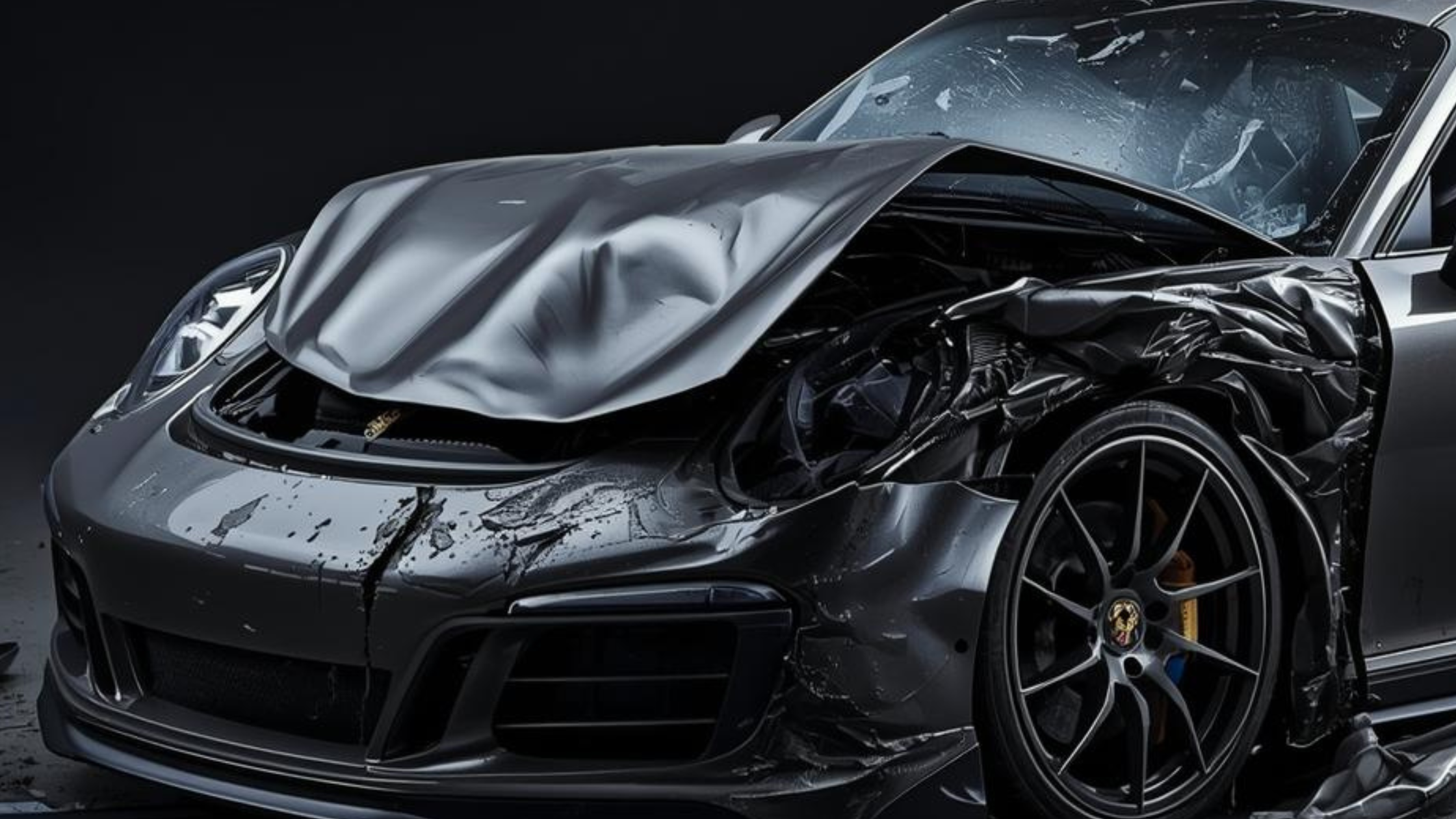
Do Luxury Cars Require Special Collision Repair?

Luxury cars are built differently from standard vehicles, and that means they often require a higher level of care after an accident. From advanced safety technology to aluminum body structures, sensors, cameras, specialty paint, and manufacturer-specific repair procedures, repairing a luxury vehicle is not the same as repairing a basic commuter car.

Even if the damage looks minor, the repair process can be more complex than most drivers realize.

At City of Stars Collision Center, we understand that luxury vehicles need more than a quick cosmetic fix. They require proper diagnostics, high-quality equipment, trained technicians, and repair procedures that help protect the vehicle’s safety, appearance, and long-term value.

Why Luxury Cars Are Different After an Accident

Luxury vehicles are designed with performance, comfort, technology, and safety in mind. Many modern luxury cars include advanced systems that are built into the body, bumper, windshield, mirrors, grille, and frame areas.

After a collision, damage may affect more than the visible panels. A bumper scrape, fender dent, or minor rear-end impact can potentially involve:

  • Parking sensors
  • Blind spot monitoring systems
  • Cameras
  • Radar modules
  • Adaptive cruise control components
  • Lane assist systems
  • Aluminum or mixed-material body panels
  • Structural reinforcements
  • Specialty paint finishes

That is why luxury collision repair should never be treated as a simple “paint and patch” job.

Advanced Driver Assistance Systems Need Proper Attention

Many luxury vehicles are equipped with Advanced Driver Assistance Systems, also known as ADAS. These systems help power features like emergency braking, lane departure warnings, parking assistance, adaptive cruise control, and blind spot monitoring.

The issue is that many of these sensors are located in areas that are commonly damaged during accidents. For example, a front bumper may contain radar sensors, cameras, wiring, and brackets. A side mirror may contain blind spot detection components. A windshield replacement or front-end repair may require recalibration.

If these systems are not inspected and handled correctly, the vehicle may look repaired on the outside while important safety features are not functioning the way they should.

Luxury Vehicles Often Use Special Materials

Many high-end vehicles use aluminum, carbon fiber, high-strength steel, or a combination of different materials. These materials help improve performance, reduce weight, and increase safety, but they also require specific repair methods.

Using the wrong tool, welding method, filler, or repair process can affect the quality of the repair. In some cases, a panel may need to be replaced instead of repaired, depending on the manufacturer’s guidelines and the location of the damage.

This is one of the biggest reasons luxury vehicles should be taken to a collision center that understands modern vehicle construction.

Paint Matching Is More Complex on Luxury Cars

Luxury vehicles often have premium paint finishes that are harder to match than standard paint colors. Metallic, pearl, matte, tri-coat, and specialty finishes require experience, precision, and proper blending techniques.

A poor paint match may not be obvious under indoor lighting, but it can stand out in direct sunlight. For luxury vehicles, the goal is not just to make the car look “better.” The goal is to restore the finish so the repair blends naturally with the rest of the vehicle.

A proper collision repair shop will take the time to match the color, prepare the surface correctly, and refinish the vehicle with attention to detail.

Hidden Damage Is Common in Luxury Vehicle Repairs

One of the biggest mistakes drivers make is assuming that visible damage tells the full story. Luxury vehicles are built with complex internal systems and structural components that can be affected even when the exterior damage looks minor.

A bumper may pop back into place while the brackets, absorber, sensors, or inner structure behind it are damaged. A small hit to the wheel area may affect suspension alignment. A rear-end impact may involve hidden damage behind the bumper cover.

That is why a full inspection is important. The outside of the car may only show part of the problem.

Insurance Estimates May Not Include Everything at First

It is common for an initial insurance estimate to miss hidden damage. This does not always mean anything was done wrong. Many parts of the vehicle cannot be fully inspected until the car is disassembled.

Once the collision center begins the repair process, additional damage may be discovered. This is often handled through a supplement, where the shop documents the additional repairs needed and submits that information to the insurance company.

For luxury vehicles, this process matters because the cost of parts, calibration, paint, and proper repair procedures can be significantly different from a standard vehicle.

Why Choosing the Right Collision Center Matters

The right collision center does more than fix what you can see. It follows a complete repair process that considers safety, structure, technology, appearance, and long-term value.

For luxury cars, that may include:

  • A detailed damage inspection
  • Pre-repair diagnostics
  • Proper disassembly to check for hidden damage
  • Manufacturer-informed repair procedures
  • High-quality replacement parts when needed
  • Careful paint matching and refinishing
  • Post-repair inspections
  • Calibration checks when required

A rushed or incomplete repair may save time upfront, but it can create bigger problems later. Poor fitment, warning lights, paint mismatch, sensor issues, or unresolved hidden damage can reduce the vehicle’s value and affect the driving experience.

Do Luxury Cars Always Need a Certified Collision Center?

In many cases, it is best to choose a shop that has experience with luxury vehicles and understands manufacturer repair standards. Some vehicles may also require specific equipment, training, or certifications depending on the brand and repair type.

Certifications can be important because they show that the shop has met certain training, equipment, and repair process requirements. This is especially valuable for brands that use advanced materials, complex electronics, and specialized structural designs.

Even when certification is not required, experience with luxury collision repair matters.

The Bottom Line

Yes, luxury cars often require special collision repair. They are built with advanced materials, safety systems, technology, and finishes that require a more careful and precise repair process.

A luxury vehicle should not just look repaired. It should be repaired with the proper attention to safety, structure, performance, and appearance.

If your luxury vehicle has been involved in an accident, bring it to a collision center that understands what is behind the damage, not just what is visible on the surface.

Need expert collision repair for your luxury vehicle? Contact City of Stars Collision Center today to schedule an inspection and get your vehicle repaired the right way.

📞 Call: 323-665-5700
📍 4751 Santa Monica Blvd, Los Angeles, CA 90029
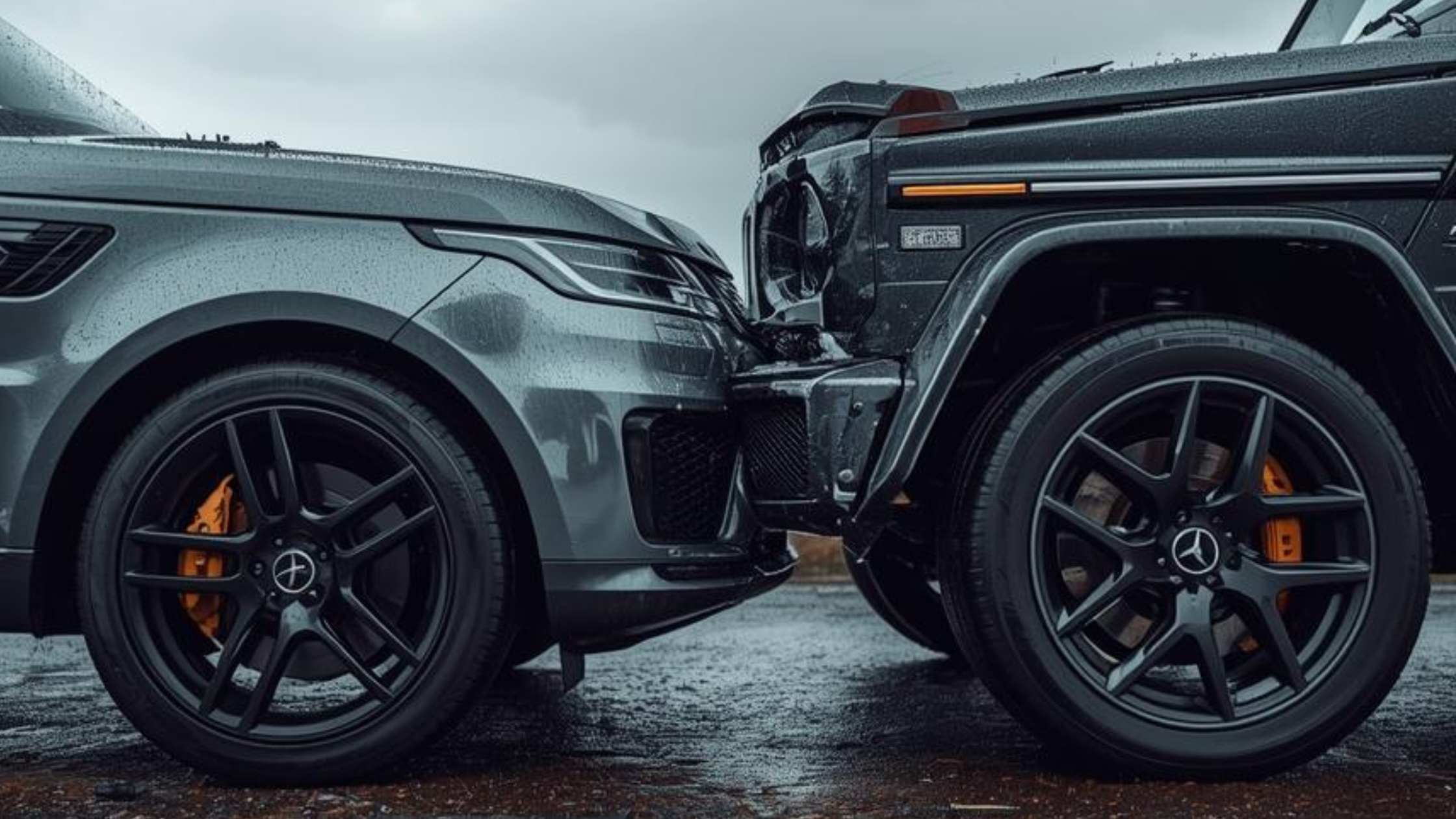
Can I Drive My Car After an Accident If It Looks Fine?

After a car accident, one of the most common questions drivers ask is:

“My car looks fine… can I still drive it?”

It’s a fair question, especially after a minor collision where there’s no obvious damage. No leaking fluids, no broken parts, no major dents.

But here’s the reality:

Just because your car looks fine doesn’t mean it’s safe to drive.

Modern vehicles are far more complex than they appear on the surface, and even a low-speed accident can cause hidden damage that puts you at risk.

In this guide, we’ll break down what you need to know, when it might be safe to drive, and when you should absolutely avoid getting back on the road.

Why “Looking Fine” Can Be Misleading

Today’s vehicles are engineered to absorb impact in ways that protect you—but that often means the damage is internal, not visible.

Even at speeds as low as 5–10 mph, your car can experience:

  • Structural stress to the frame
  • Damage to internal components
  • Sensor and safety system disruption
  • Alignment issues that aren’t immediately noticeable

According to the National Highway Traffic Safety Administration (NHTSA), low-speed crashes can still compromise critical safety systems, even when visible damage appears minimal.

That means your car might still drive, but not safely.

The Hidden Damage Most Drivers Don’t See

Here’s what could be wrong with your vehicle, even if everything looks normal:

1. Frame or Structural Damage

Your vehicle’s frame is designed to absorb impact. Even slight bending can affect how your car handles, brakes, and protects you in future accidents.

2. Suspension and Alignment Issues

You may not notice it right away, but damage to suspension components can lead to:

  • Uneven tire wear
  • Steering problems
  • Reduced control at higher speeds

3. ADAS and Sensor Malfunctions

Modern vehicles, especially luxury models, are equipped with advanced driver assistance systems (ADAS), including:

  • Lane departure warning
  • Adaptive cruise control
  • Collision avoidance systems

Even a small accident can knock these sensors out of alignment. If they’re not recalibrated properly, they may not function when you need them most.

4. Internal Mechanical Damage

Components behind the bumper, like radiators, cooling systems, or mounting brackets—can be damaged without being visible externally.

5. Electrical System Issues

Modern vehicles rely heavily on electrical systems. A minor impact can disrupt wiring, sensors, or onboard computers.

When It Might Be Safe to Drive (Short Distance Only)

There are situations where driving your car a short distance may be acceptable—but only if:

  • There are no warning lights on the dashboard
  • The car drives straight without pulling
  • There are no unusual noises (grinding, knocking, etc.)
  • No fluids are leaking
  • Tires appear properly aligned and intact

Even then, this should only be a temporary solution to get your vehicle to a professional inspection, not a long-term decision.

When You Should NOT Drive Your Car

You should avoid driving your vehicle if you notice any of the following:

  • Airbags deployed or warning lights on
  • Steering feels off or unstable
  • The vehicle pulls to one side
  • You hear strange noises when driving
  • Visible damage to wheels, suspension, or frame
  • Leaking fluids under the vehicle

Driving under these conditions can make the damage worse, and more importantly, put you and others at serious risk.

The Biggest Risk: Safety Systems Failing When You Need Them

This is where most drivers underestimate the danger.

Modern vehicles are built with layered safety systems that work together:

  • Crash sensors
  • Airbag deployment systems
  • Driver-assist technologies
  • Structural reinforcement zones

If even one of these systems is compromised and not properly repaired, your vehicle may not protect you in a future accident.

That’s why professional inspection isn’t just about fixing cosmetic damage, it’s about restoring your vehicle to its pre-accident safety standards.

Why Luxury Vehicles Are Even More Sensitive

If you drive a luxury or high-end vehicle (such as Mercedes-Benz, BMW, or Land Rover), the risks are even greater.

These vehicles rely on:

  • Precision-calibrated sensors
  • Aluminum or mixed-material frames
  • Advanced onboard computer systems

Even a minor accident can require:

  • ADAS recalibration
  • Manufacturer-specific repair procedures
  • OEM parts to maintain performance and safety

This is why not every body shop is equipped to properly inspect or repair these vehicles.

What Happens If You Keep Driving Without Repairs?

Many drivers delay repairs because the car still “runs fine.”

Here’s what can happen:

1. Damage Gets Worse

What starts as a minor issue can turn into a major repair.

2. Safety Risks Increase

Compromised systems may fail in a future accident.

3. Insurance Complications

Delaying repairs can complicate your claim or reduce coverage in some cases.

4. Reduced Vehicle Value

Unrepaired or improperly repaired damage can significantly affect resale value and show up on reports like Carfax.

What You Should Do Instead

If you’ve been in an accident, even a minor one, here’s the best course of action:

1. Get a Professional Inspection

Have your vehicle inspected by a certified collision repair center that understands modern vehicle systems.

2. Don’t Rely on Visual Damage Alone

What you see is only a small part of the full picture.

3. Work With a Shop That Understands Your Vehicle

Especially for luxury vehicles, proper repair procedures and calibrations are critical.

Final Answer: Can You Drive It?

Technically, maybe. Safely, not always.

If your car looks fine after an accident, it may still be drivable, but that does not mean it’s safe.

The only way to know for sure is to have it properly inspected.

Contact City of Stars Collision Center Today

If you’ve recently been in an accident and aren’t sure whether your car is safe to drive, don’t take the risk.

At City of Stars Collision Center, we specialize in identifying hidden damage and restoring vehicles to manufacturer standards, especially for luxury and high-end models.

Our team understands what most shops overlook, from structural integrity to advanced safety system calibration.

Contact us today to schedule an inspection and make sure your vehicle is truly safe to be back on the road.

📞 Call: 323-665-5700
📍 4751 Santa Monica Blvd, Los Angeles, CA 90029
Why the Cheapest Body Shop Can Cost You Thousands Later

After a car accident, one of the first concerns most drivers have is the cost of repairs. It’s completely understandable, collision repairs can be expensive, and many people naturally look for the cheapest body shop they can find in order to save money.

However, choosing a collision repair shop based solely on price can often lead to much bigger expenses later on. In fact, what seems like a good deal at first can quickly turn into additional repairs, safety issues, and even reduced vehicle value.

Modern vehicles are more advanced than ever before. From complex safety systems to specialized materials and electronic components, repairing today’s vehicles requires the right training, equipment, and repair procedures. When corners are cut to offer the lowest price possible, it can compromise the quality and safety of the repair.

In this article, we’ll explain why the cheapest body shop can cost you thousands later, what risks drivers should be aware of, and how choosing the right collision repair facility can protect both your vehicle and your wallet.

Not All Collision Repairs Are the Same

Many people assume that all body shops perform the same work and that the only difference is price. In reality, collision repair quality can vary significantly between shops.

Some repair facilities invest heavily in:

  • Certified technician training
  • Manufacturer repair procedures
  • Advanced repair equipment
  • Proper diagnostic tools
  • OEM replacement parts

Other shops may try to keep costs low by reducing labor time, using lower-quality parts, or skipping certain repair procedures altogether.

While these shortcuts may lower the upfront price, they can lead to serious problems down the road.

Cheap Repairs Often Mean Corners Are Being Cut

Collision repair involves far more than simply fixing dents or repainting panels. Many repairs require precise structural work, proper parts installation, and detailed system calibrations.

To offer the lowest possible price, some shops may reduce costs by cutting corners in areas such as:

Using Lower-Quality Parts

One of the most common ways some shops reduce repair costs is by using aftermarket or low-quality replacement parts instead of original manufacturer components.

While some aftermarket parts may work adequately in certain situations, they are not always built to the same standards as OEM (Original Equipment Manufacturer) parts.

Potential issues with lower-quality parts include:

  • Poor fitment
  • Weaker structural integrity
  • Incompatibility with sensors
  • Reduced durability

These issues can affect not only the appearance of the repair but also the long-term safety and performance of the vehicle.

Skipping Necessary Repair Procedures

Modern vehicles often require detailed repair procedures provided by the manufacturer. These procedures may include:

  • Structural repair methods
  • Replacement guidelines for safety components
  • Calibration of advanced safety systems
  • Specific welding or bonding techniques

If these procedures are ignored or skipped to reduce repair time, the vehicle may not be restored to its original safety standards.

In some cases, skipped procedures can lead to hidden problems that only appear months or years later.

Poor Structural Repairs

The structural components of a vehicle play a major role in protecting occupants during a collision. If these areas are not repaired correctly, the vehicle may not perform properly in a future accident.

Improper structural repairs can lead to:

  • Weak crash protection
  • Alignment problems
  • Suspension issues
  • Uneven tire wear
  • Long-term drivability problems

These issues often require additional repairs later, which can end up costing far more than the original savings from choosing the cheapest repair shop.

Modern Vehicles Require Advanced Technology

Today’s vehicles are filled with advanced systems that require specialized tools and training to repair properly.

Examples include:

  • Advanced Driver Assistance Systems (ADAS)
  • Radar sensors
  • Cameras and parking sensors
  • Automatic braking systems
  • Lane departure warning systems

When a vehicle is involved in a collision, these systems often require precise recalibration after repairs.

Without the proper equipment, these systems may not function correctly. In some cases, they may fail entirely or produce inaccurate warnings.

Proper calibration ensures that the vehicle’s safety systems operate exactly as the manufacturer intended.

Poor Repairs Can Reduce Your Vehicle’s Value

Another important factor to consider is how repairs affect your vehicle’s resale value.

Luxury vehicles and newer models often maintain significant value over time. However, if the vehicle has been repaired poorly, that value can drop significantly.

Signs of poor collision repair that buyers and dealerships often look for include:

  • Paint mismatches
  • Panel gaps
  • Visible repair marks
  • Poor alignment
  • Inconsistent finishes

Vehicle history reports and professional inspections can often reveal these issues.

In many cases, buyers will either negotiate a lower price or avoid purchasing the vehicle entirely if they suspect improper repairs.

Cheap Repairs Can Lead to Repeat Repairs

Another hidden cost of choosing the cheapest repair shop is the possibility of repeat repairs.

If repairs are not done properly the first time, problems may appear later such as:

  • Paint peeling or fading
  • Body panels loosening
  • Electrical issues
  • Warning lights appearing on the dashboard

When this happens, the vehicle may need to be repaired again, often by a different shop, which means paying for repairs twice.

What initially looked like a cheap repair can quickly turn into a much larger expense.

Experience and Training Matter

Collision repair is a highly technical field that requires skilled technicians who understand modern vehicle design.

Well-qualified collision repair technicians typically receive:

  • Ongoing training
  • Certification programs
  • Manufacturer repair education
  • Hands-on experience with modern vehicle systems

Shops that invest in technician training are better equipped to repair vehicles safely and accurately.

Experience plays a major role in identifying hidden damage, following proper repair procedures, and ensuring the vehicle is restored correctly.

Quality Repairs Protect Your Safety

Beyond financial considerations, the most important reason to choose a reputable collision repair shop is your safety.

Vehicle structures, safety systems, and impact protection are all designed to work together during an accident.

If these components are not repaired correctly, the vehicle may not provide the same level of protection in the future.

A properly repaired vehicle helps ensure that:

  • Safety systems function correctly
  • Structural integrity is maintained
  • Crash protection remains intact
  • The vehicle performs as designed

When it comes to safety, cutting corners is never worth the risk.

Choosing the Right Collision Repair Shop

When selecting a body shop after an accident, it’s important to consider more than just the price.

Here are a few things to look for in a quality collision repair facility:

  • Certified technicians
  • Manufacturer-approved repair procedures
  • Proper diagnostic and repair equipment
  • Experience with modern vehicles
  • Commitment to quality repairs

Choosing a reputable repair shop helps ensure your vehicle is repaired properly the first time.

Quality Repairs Save Money in the Long Run

While the cheapest body shop may seem appealing in the moment, the long-term consequences can be costly.

Improper repairs can lead to additional repairs, safety issues, and reduced vehicle value, all of which can cost far more than the initial savings.

Investing in quality repairs ensures that your vehicle is restored properly, performs safely, and maintains its long-term value.

Trust Your Vehicle to City of Stars Collision Center

At City of Stars Collision Center, we believe collision repairs should always prioritize quality, safety, and proper repair procedures.

Our team is committed to restoring vehicles using manufacturer-approved repair methods and genuine OEM parts whenever required. We take the time to properly inspect vehicles, identify any hidden damage, and ensure every repair is completed to the highest standards.

When your vehicle has been in an accident, choosing the right repair shop can make all the difference.

Call us today to schedule a repair inspection or collision repair estimate. Our team is ready to help get your vehicle safely back on the road with repairs you can trust.estimate. Our team is here to help get you safely back on the road with repairs you can trust.

📞 Call: 323-665-5700
📍 4751 Santa Monica Blvd, Los Angeles, CA 90029

Why Luxury Vehicles Cannot Be Repaired Like Regular Cars

When most people think about car repairs after an accident, they assume the process is pretty straightforward. A dent is repaired, parts are replaced, paint is matched, and the car goes back on the road. While that might be true for many standard vehicles, luxury vehicles are a completely different story.

Cars like Mercedes-Benz, BMW, Land Rover, Audi, Porsche, Tesla, and other high-end vehicles are engineered with advanced materials, specialized safety systems, and complex electronics that require very specific repair procedures. Treating these vehicles like regular cars during the repair process can lead to serious problems, from reduced safety to diminished resale value.

In this guide, we’ll break down why luxury vehicles cannot be repaired like regular cars, what makes them different, and why choosing the right certified collision repair shop is critical after an accident.

Luxury Vehicles Are Built With Advanced Materials

One of the biggest differences between luxury vehicles and standard vehicles is the materials used in their construction.

Manufacturers of high-end vehicles often use lightweight and high-strength materials to improve performance, fuel efficiency, and safety. These materials require specialized repair techniques that many general body shops simply don’t have the tools or training to handle.

Common materials found in luxury vehicles include:

  • Aluminum body panels
  • High-strength steel
  • Carbon fiber components
  • Magnesium parts
  • Composite materials

For example, many Land Rover and Range Rover models use aluminum-intensive body structures. Aluminum behaves very differently from traditional steel during repairs.

Here’s why that matters:

  • Aluminum requires separate repair environments to avoid contamination from steel particles.
  • It requires specialized welding equipment and bonding techniques.
  • Improper repair methods can weaken the structural integrity of the vehicle.

A shop that treats aluminum repairs like steel repairs can cause permanent damage to the vehicle’s frame.

Luxury Vehicles Have Complex Safety Systems

Modern luxury vehicles are packed with advanced driver assistance systems (ADAS) designed to improve safety and prevent accidents.

These systems rely on sensors, cameras, and radar components that are precisely positioned throughout the vehicle.

Examples include:

  • Lane departure warning systems
  • Adaptive cruise control
  • Collision avoidance systems
  • Blind spot monitoring
  • Automatic emergency braking
  • Parking assistance cameras
  • Radar sensors behind bumpers and grilles

After a collision repair, these systems must often be recalibrated to manufacturer specifications.

If the sensors are even slightly misaligned, the system may:

  • Fail to detect hazards
  • Trigger false warnings
  • Malfunction during emergency situations

Unfortunately, many repair shops overlook these calibrations entirely.

This is one of the main reasons luxury vehicle collision repair requires specialized expertise and equipment.

Precision Engineering Requires Precision Repairs

Luxury vehicles are engineered with incredibly tight tolerances. This means that every component of the vehicle is designed to fit and function within extremely precise measurements.

Even a small deviation during the repair process can create long-term problems.

Potential issues from improper repairs include:

  • Poor alignment
  • Suspension problems
  • Increased tire wear
  • Structural weakness
  • Reduced crash protection

Luxury vehicles also use computerized frame measuring systems during the manufacturing process. Proper collision repair often requires using these same digital measuring systems to restore the vehicle’s structure back to factory specifications.

Without these tools, a vehicle may look repaired on the outside but still be structurally compromised underneath.

OEM Parts Matter More for Luxury Vehicles

Another major difference between repairing luxury vehicles and standard cars is the importance of OEM parts.

OEM stands for Original Equipment Manufacturer, meaning the parts are made by the same manufacturer that produced the original vehicle components.

Insurance companies sometimes push for aftermarket or recycled parts to reduce costs. While these parts may work for some repairs on standard vehicles, they can create serious issues when used on luxury vehicles.

Benefits of OEM parts include:

  • Exact fit and compatibility
  • Maintained structural integrity
  • Proper sensor integration
  • Manufacturer safety standards
  • Preservation of vehicle value

Aftermarket parts may not meet the same engineering standards as OEM components. In some cases, they can interfere with safety systems or affect the performance of the vehicle.

For luxury vehicles, OEM parts are almost always the safest and most reliable option.

Specialized Tools and Equipment Are Required

Repairing luxury vehicles requires advanced tools and technology that many general collision shops simply do not have.

These tools may include:

  • Manufacturer-specific diagnostic scanners
  • Aluminum repair stations
  • Structural measuring systems
  • ADAS calibration equipment
  • Manufacturer-approved welding equipment
  • Specialized paint systems

Luxury vehicle paint finishes are also more complex than standard finishes. Multi-layer metallic paints and specialty coatings require high-precision color matching and application techniques to achieve a factory-quality finish.

Without the proper equipment, the final result may include:

  • Mismatched paint
  • Poor panel alignment
  • Safety system failures
  • Structural issues

Improper Repairs Can Reduce Vehicle Value

Luxury vehicles often represent a significant financial investment. Improper collision repairs can drastically reduce the value of that investment.

Poor repairs can lead to:

  • Visible imperfections
  • Structural damage
  • Reduced resale value
  • Negative vehicle history reports
  • Safety concerns

In many cases, future buyers or dealerships will conduct detailed inspections and vehicle history checks before purchasing a luxury vehicle. Evidence of improper repairs can make a vehicle far more difficult to sell.

Even when the damage seems minor, repairs should always follow manufacturer-approved procedures.

Not All Collision Shops Are Qualified to Repair Luxury Vehicles

Many drivers assume that any body shop can repair their vehicle after an accident. Unfortunately, that assumption can lead to costly mistakes.

Luxury vehicles require specialized training and certifications that many repair shops simply do not have.

Certified collision centers typically receive training directly from vehicle manufacturers and must meet strict requirements for:

  • Equipment
  • Technician training
  • Repair procedures
  • Quality control standards

This ensures that repairs are completed according to the same specifications used by the manufacturer when the vehicle was originally built.

Choosing a certified shop means your vehicle will be repaired using approved techniques and genuine parts.

Signs Your Luxury Vehicle Needs a Certified Collision Repair Shop

If your vehicle falls into the luxury category, it’s important to choose a repair shop that understands the complexities involved.

Here are a few indicators that your vehicle should only be repaired at a specialized collision center:

  • The vehicle contains advanced safety systems (ADAS)
  • The body structure uses aluminum or composite materials
  • The manufacturer requires specific repair procedures
  • The vehicle has a high market value
  • OEM parts are required for proper repairs

Attempting to repair these vehicles without proper training can lead to serious safety and performance issues.

The Bottom Line: Luxury Vehicles Require Specialized Collision Repair

Luxury vehicles are built with advanced engineering, specialized materials, and complex technology. Because of this, they cannot be repaired the same way as standard vehicles.

From aluminum body structures to advanced safety systems and precision engineering, these vehicles require highly trained technicians, specialized equipment, and manufacturer-approved repair procedures.

Choosing the right collision center can make the difference between a repair that simply looks good and one that truly restores your vehicle to its original safety and performance standards.

Trust Your Vehicle With City of Stars Collision Center

If your luxury vehicle has been involved in an accident, it’s important to choose a collision repair shop that understands the unique requirements of high-end vehicles.

At City of Stars Collision Center, our technicians are trained to repair vehicles using manufacturer-approved repair procedures and genuine OEM parts. We specialize in restoring vehicles to their original safety standards while maintaining the performance, value, and appearance that luxury vehicle owners expect.

Our facility is equipped with the advanced tools and diagnostic equipment necessary to properly repair today’s modern vehicles.

When you trust your vehicle to City of Stars Collision Center, you can feel confident knowing your car is being repaired the right way, not the easy way.

Contact us today to schedule an inspection or collision repair estimate. Our team is here to help get you safely back on the road with repairs you can trust.

📞 Call: 323-665-5700
📍 4751 Santa Monica Blvd, Los Angeles, CA 90029
Why Insurance Estimates Are Often Wrong for Modern Vehicles

If you’ve recently been in an accident, you may have already experienced something frustrating: the insurance estimate doesn’t match what the repair actually costs. Many drivers are surprised when they receive an initial estimate from an insurance company, only to learn later that the real repair cost is significantly higher.

This situation is actually very common in today’s automotive industry. Modern vehicles are far more complex than vehicles built even 10–15 years ago, and initial insurance estimates are often based on limited information before a full repair inspection is completed.

In this article, we’ll explain why insurance estimates are often too low for modern vehicles, what happens when additional damage is discovered, and how the repair process works when supplements are required.

Understanding this process can help you avoid confusion and ensure your vehicle is repaired correctly and safely.

How Insurance Estimates Are Typically Created

When an insurance company evaluates vehicle damage, they typically create what is called an initial estimate. This estimate is often based on a visual inspection of the damage and may be performed through photos, virtual inspections, or a brief in-person evaluation.

However, there is an important limitation to these estimates:
many parts of a vehicle cannot be fully inspected until the vehicle is disassembled.

Modern vehicles are designed with multiple layers of components behind the visible exterior panels. Damage that appears minor on the outside can sometimes hide deeper issues underneath.

Because of this, the first estimate provided by an insurance company is often just a starting point, not the final repair cost.

Why Modern Vehicles Are More Difficult to Estimate

Vehicles today are far more advanced than older models. With new safety technology, complex electronics, and specialized materials, it’s becoming increasingly difficult to accurately estimate repair costs without a thorough inspection.

Some of the factors that make modern vehicle estimates more challenging include:

Advanced Safety Systems (ADAS)

Many vehicles today include Advanced Driver Assistance Systems, commonly known as ADAS. These systems rely on cameras, sensors, and radar units located throughout the vehicle.

Examples include:

  • Lane departure warning
  • Adaptive cruise control
  • Automatic emergency braking
  • Blind spot monitoring
  • Parking assist systems
  • Forward collision alerts

Even a minor accident can affect these systems. In many cases, sensors must be recalibrated after repairs, which requires specialized equipment and additional labor.

These necessary procedures are not always visible during the initial insurance inspection.

Hidden Structural Components

Modern vehicles are designed with structural components hidden behind panels, bumpers, and interior sections of the vehicle.

For example:

  • Reinforcement bars
  • Energy-absorbing crash structures
  • Mounting brackets
  • Impact sensors
  • Frame components

Damage to these areas is often not visible until the vehicle is disassembled during the repair process.

This is one of the main reasons that hidden damage is frequently discovered after repairs begin.

Specialty Materials

Many modern vehicles, especially luxury models, use advanced materials such as:

  • Aluminum
  • High-strength steel
  • Carbon fiber
  • Composite materials

These materials often require specialized repair techniques and equipment. In some cases, parts must be replaced instead of repaired to maintain structural integrity and manufacturer safety standards.

The complexity of these materials can make accurate initial estimates more difficult.

What Is Hidden Damage?

One of the most common reasons insurance estimates increase during repairs is the discovery of hidden damage.

Hidden damage refers to damage that cannot be seen until parts of the vehicle are removed. While the exterior damage may look minor, internal components may have absorbed the force of the collision.

Some common examples of hidden damage include:

  • Bent structural supports
  • Damaged mounting brackets
  • Impact sensor issues
  • Cooling system damage
  • Frame misalignment
  • Electrical wiring damage

These issues are typically only discovered after technicians begin the disassembly process during a proper repair inspection.

Because of this, it is normal for repair shops to uncover additional necessary repairs after the initial estimate.

What Is a Supplement Repair?

When additional damage is discovered during the repair process, the repair facility will create what is called a supplement.

A supplement is simply an update to the original estimate that documents the additional repairs required to properly restore the vehicle.

This documentation is then submitted to the insurance company for approval.

Supplement repairs commonly include:

  • Additional parts that were not visible initially
  • Structural repairs discovered during disassembly
  • Sensor calibrations
  • Safety system repairs
  • Manufacturer-required procedures
  • Labor adjustments based on the true repair scope

Supplements are a standard and expected part of the collision repair process, especially for modern vehicles.

Why the Initial Insurance Estimate May Be Too Low

There are several reasons why the first estimate provided by an insurance company may not reflect the full cost of repairs.

Some of the most common reasons include:

Limited Initial Inspection

Insurance companies often rely on photo-based estimates or quick visual inspections to start the process. While this can help speed up claims processing, it does not allow for a full inspection of internal vehicle components.

Without disassembling the vehicle, it is impossible to identify all potential damage.

Vehicle Technology

Modern vehicles contain far more electronics and integrated systems than older vehicles. These systems often require diagnostics, recalibration, and specialized repairs that may not be immediately visible.

As a result, additional work is often discovered once technicians begin a deeper inspection.

Manufacturer Repair Procedures

Automakers regularly update their repair procedures to ensure vehicles maintain proper safety performance after an accident.

These procedures may require:

  • Specific replacement parts
  • Structural repair methods
  • Calibration procedures
  • Safety system inspections

Some of these requirements may not be included in an initial estimate but must still be followed to properly repair the vehicle.

The Goal Is Always Proper and Safe Repairs

At the end of the day, the most important goal is ensuring that your vehicle is repaired safely and correctly according to proper repair procedures.

Initial estimates are simply the starting point of the process. As the repair moves forward and technicians gain access to internal components, they can identify any additional damage and ensure the vehicle is restored properly.

The supplement process exists to make sure nothing important is overlooked during the repair.

What Vehicle Owners Should Expect During the Repair Process

If your vehicle is undergoing collision repair, here is what the typical process may look like:

  1. Initial insurance estimate is created: This provides a starting point for the claim.
  2. Vehicle arrives at the collision repair shop: Technicians perform a more detailed inspection.
  3. Disassembly begins: Parts are removed to inspect internal damage.
  4. Hidden damage may be discovered: If additional repairs are needed, they are documented.
  5. Supplement is submitted to the insurance company: This updates the estimate with the additional repairs required.
  6. Repairs continue once approval is received

This process helps ensure that your vehicle receives complete and accurate repairs, rather than simply addressing the visible damage.

Why Choosing the Right Collision Repair Shop Matters

Because modern vehicles are so complex, it’s important to choose a repair facility that has the training, equipment, and experience necessary to properly repair today’s vehicles.

A qualified collision repair shop should be able to:

  • Perform detailed vehicle inspections
  • Identify hidden damage
  • Follow manufacturer repair procedures
  • Use proper diagnostic equipment
  • Document supplements accurately
  • Restore vehicles to manufacturer safety standards

Proper repair procedures are essential not only for appearance but also for the safety and long-term reliability of your vehicle.

Trust City of Stars Collision Center With Your Repairs

If your vehicle has been involved in an accident and you’re dealing with an insurance estimate that may not reflect the full repair scope, our team is here to help guide you through the process.

At City of Stars Collision Center, we perform thorough inspections to identify all necessary repairs and ensure vehicles are restored according to proper repair procedures. Our technicians work carefully to document any hidden damage discovered during the repair process and communicate updates as needed.

We believe that vehicle repairs should always prioritize safety, accuracy, and quality workmanship.

If your vehicle has been in an accident, we’re here to help. Call us today to schedule an inspection or collision repair estimate. Our team is ready to help get your vehicle safely back on the road.

📞 Call: 323-665-5700
📍 4751 Santa Monica Blvd, Los Angeles, CA 90029
What Makes EV Collision Repair Completely Different?

EV Collision Repair

Electric vehicles are becoming increasingly common on the road. Brands like Tesla, Rivian, BMW, Mercedes-Benz, Audi, and many others are producing electric models that offer impressive performance, advanced technology, and reduced emissions. While these vehicles represent the future of transportation, they also introduce an entirely new level of complexity when it comes to collision repair.

Many drivers assume that repairing an electric vehicle after an accident is similar to repairing a traditional gasoline-powered car. In reality, EV collision repair is very different. Electric vehicles are built with unique structures, high-voltage systems, and specialized components that require advanced training and equipment to repair properly.

If an electric vehicle is repaired incorrectly, it can lead to safety risks, system malfunctions, and long-term reliability issues. In this article, we’ll explore what makes EV collision repair completely different, why specialized repair procedures are necessary, and what vehicle owners should know if their electric vehicle is involved in an accident.

Electric Vehicles Contain High-Voltage Battery Systems

One of the biggest differences between electric vehicles and traditional vehicles is the high-voltage battery system. EV batteries are significantly larger and more powerful than the small 12-volt batteries used in gasoline vehicles.

Many electric vehicles operate with battery systems that range from 400 volts to over 800 volts, which is powerful enough to create serious safety hazards if handled improperly.

Because of this, technicians must follow strict safety procedures when working on an electric vehicle after a collision. These procedures often include:

  • Properly shutting down the high-voltage system
  • Isolating the battery before repairs begin
  • Using specialized protective equipment
  • Following manufacturer safety protocols

Even what may appear to be a minor accident can potentially impact battery components or high-voltage wiring.

Repair shops that are not trained to handle electric vehicles may not have the knowledge or equipment necessary to safely perform these procedures.

The Battery Pack Is a Structural Component

In many electric vehicles, the battery pack is mounted underneath the vehicle and integrated into the structural design. This battery pack can weigh over 1,000 pounds and plays a major role in the vehicle’s structural rigidity and crash protection.

If the battery pack or its surrounding structure is damaged in a collision, repairs can become far more complex than traditional vehicle repairs.

Potential issues include:

  • Damage to battery housing
  • Cooling system problems
  • Structural mounting damage
  • Impact sensors triggered by the collision

Because the battery system is so critical to the vehicle’s operation and safety, manufacturers often require very specific repair procedures if damage occurs near the battery pack.

In some cases, repairs may require specialized inspections or replacement components that are not common in traditional collision repair.

Electric Vehicles Have Unique Structural Designs

EV manufacturers frequently design their vehicles differently than traditional vehicles. Many electric vehicles use “skateboard-style” platforms, where the battery sits flat under the floor of the vehicle while the motors and drivetrain components are integrated into the chassis.

This design changes how collision forces travel through the vehicle during an accident.

As a result:

  • Structural repair points may be different
  • Frame repair methods may vary
  • Certain components may not be repairable and must be replaced

Manufacturers often provide very specific repair procedures for these structures, and following those procedures is essential for maintaining the vehicle’s safety performance.

Without the proper tools and training, it can be extremely difficult to restore these vehicles to manufacturer specifications.

EVs Require Advanced Diagnostic Procedures

Electric vehicles rely heavily on complex software systems and electronic controls. After a collision, these systems often need to be checked to ensure that everything is functioning properly.

Common diagnostic procedures for EV collision repair include:

  • Battery system diagnostics
  • High-voltage system checks
  • Sensor system verification
  • Advanced driver assistance system (ADAS) calibration
  • Software updates or resets

Because many electric vehicles operate with integrated software platforms, repairs may involve both mechanical and digital troubleshooting.

This is another reason why EV repairs require specialized knowledge and diagnostic equipment.

Advanced Safety Systems Must Be Recalibrated

Just like modern luxury vehicles, most electric vehicles include advanced driver assistance systems (ADAS). These systems use cameras, sensors, and radar units to help drivers avoid accidents.

Examples include:

  • Automatic emergency braking
  • Lane keeping assistance
  • Adaptive cruise control
  • Blind spot monitoring
  • Collision avoidance systems

After a collision repair, these systems often require precise recalibration to ensure they function correctly.

If sensors are not calibrated properly, they may:

  • Fail to detect hazards
  • Trigger incorrect warnings
  • Respond unpredictably in emergency situations

Proper calibration requires specialized equipment and a controlled environment.

EV Repairs Require Specialized Training

Electric vehicles are relatively new compared to traditional gasoline vehicles. Because of this, many technicians have had to undergo additional training specifically for EV repair procedures.

This training often covers:

  • High-voltage safety procedures
  • Battery system diagnostics
  • EV structural repair methods
  • Manufacturer repair protocols
  • Advanced electrical systems

Without this training, technicians may not be familiar with the unique systems found in electric vehicles.

Repairing an EV without the proper expertise can lead to incomplete repairs or overlooked safety issues.

Charging Systems and Cooling Systems Can Be Affected

Electric vehicles rely on several systems that traditional vehicles do not have, including battery cooling systems and charging components.

The battery pack in an EV generates heat during operation, which is why many EVs include liquid cooling systems designed to regulate battery temperature.

If these systems are damaged in a collision, it can affect:

  • Charging performance
  • Battery longevity
  • Vehicle range
  • Overall system safety

Even minor damage to these components may require specialized inspection and repair procedures.

Electric Vehicle Parts and Components Are Highly Specialized

EV parts are often more specialized and less interchangeable than parts found in traditional vehicles. Because electric vehicles are still evolving, replacement parts sometimes require ordering directly from manufacturers or approved suppliers.

Some EV components that may require replacement include:

  • Battery housing components
  • High-voltage wiring harnesses
  • Charging port assemblies
  • Electric motor components
  • Cooling system parts

Because these systems are unique to electric vehicles, repairs often require technicians who are familiar with the specific design of EV components.

The Future of Collision Repair Is Changing

As electric vehicles continue to grow in popularity, the collision repair industry is evolving to meet the new challenges that EV technology brings.

Repair shops must invest in:

  • Specialized EV training
  • Advanced diagnostic equipment
  • Safety tools for high-voltage systems
  • Manufacturer repair procedures
  • Updated repair technology

Electric vehicles represent a major shift in automotive design, and repair procedures must evolve alongside these innovations.

Trust Your Electric Vehicle to the Right Collision Repair Shop

Electric vehicles require specialized repair procedures, advanced diagnostics, and trained technicians who understand the unique systems these vehicles contain.

At City of Stars Collision Center, we understand how complex modern vehicles have become. Our team follows proper repair procedures and uses high-quality parts to ensure vehicles are repaired safely and correctly.

Whether your vehicle is electric, hybrid, or gasoline-powered, we focus on restoring vehicles to the highest standards of quality and safety.

If your electric vehicle has been involved in an accident, our team is here to help guide you through the repair process.

Call us today to schedule a repair inspection or collision repair estimate. Our team is ready to help get your vehicle safely back on the road.

📞 Call: 323-665-5700
📍 4751 Santa Monica Blvd, Los Angeles, CA 90029