
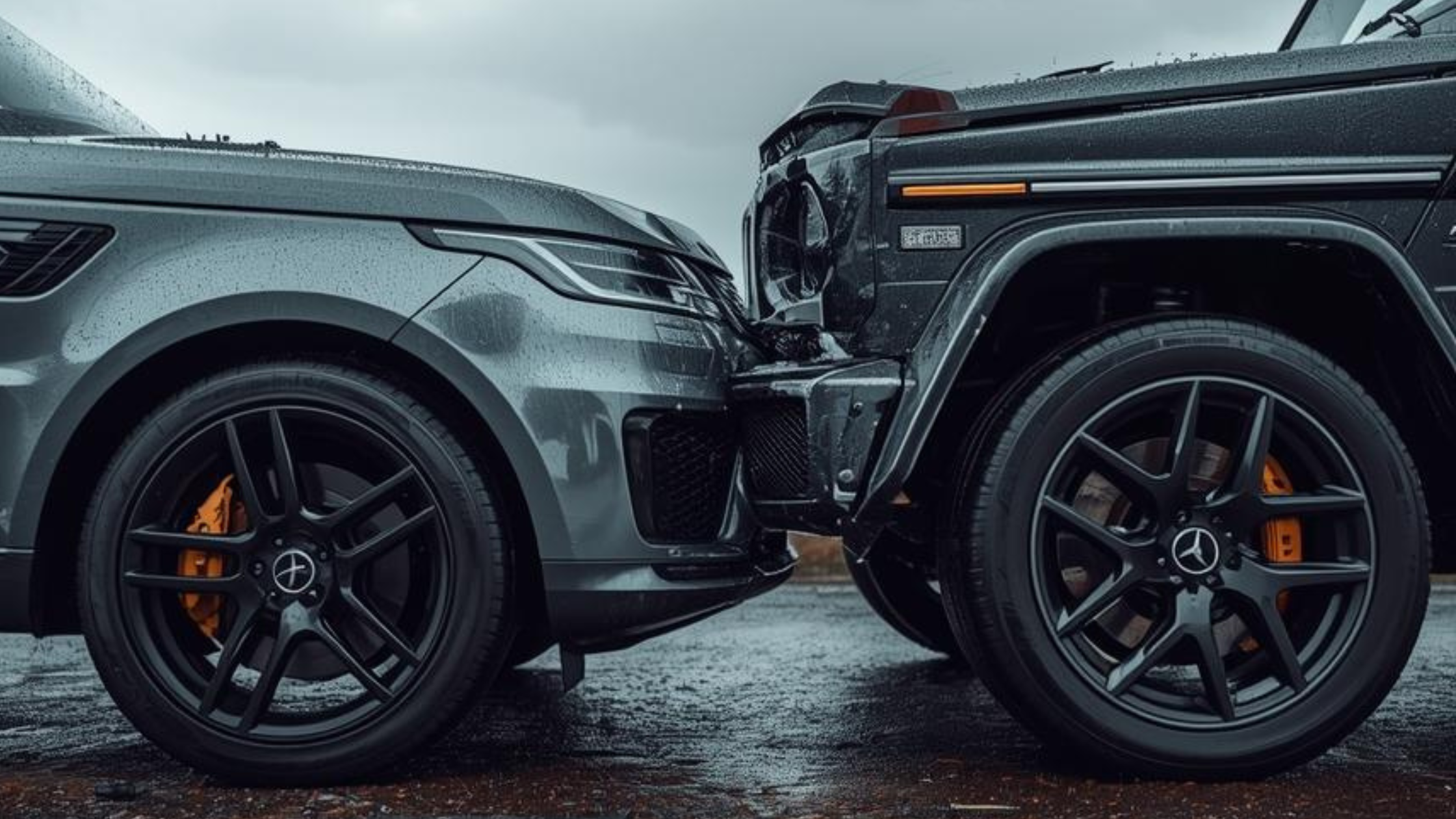
After a car accident, one of the most common questions drivers ask is:
“My car looks fine… can I still drive it?”
It’s a fair question, especially after a minor collision where there’s no obvious damage. No leaking fluids, no broken parts, no major dents.
But here’s the reality:
Just because your car looks fine doesn’t mean it’s safe to drive.
Modern vehicles are far more complex than they appear on the surface, and even a low-speed accident can cause hidden damage that puts you at risk.
In this guide, we’ll break down what you need to know, when it might be safe to drive, and when you should absolutely avoid getting back on the road.
Why “Looking Fine” Can Be Misleading
Today’s vehicles are engineered to absorb impact in ways that protect you—but that often means the damage is internal, not visible.
Even at speeds as low as 5–10 mph, your car can experience:
- Structural stress to the frame
- Damage to internal components
- Sensor and safety system disruption
- Alignment issues that aren’t immediately noticeable
According to the National Highway Traffic Safety Administration (NHTSA), low-speed crashes can still compromise critical safety systems, even when visible damage appears minimal.
That means your car might still drive, but not safely.
The Hidden Damage Most Drivers Don’t See
Here’s what could be wrong with your vehicle, even if everything looks normal:
1. Frame or Structural Damage
Your vehicle’s frame is designed to absorb impact. Even slight bending can affect how your car handles, brakes, and protects you in future accidents.
2. Suspension and Alignment Issues
You may not notice it right away, but damage to suspension components can lead to:
- Uneven tire wear
- Steering problems
- Reduced control at higher speeds
3. ADAS and Sensor Malfunctions
Modern vehicles, especially luxury models, are equipped with advanced driver assistance systems (ADAS), including:
- Lane departure warning
- Adaptive cruise control
- Collision avoidance systems
Even a small accident can knock these sensors out of alignment. If they’re not recalibrated properly, they may not function when you need them most.
4. Internal Mechanical Damage
Components behind the bumper, like radiators, cooling systems, or mounting brackets—can be damaged without being visible externally.
5. Electrical System Issues
Modern vehicles rely heavily on electrical systems. A minor impact can disrupt wiring, sensors, or onboard computers.
When It Might Be Safe to Drive (Short Distance Only)
There are situations where driving your car a short distance may be acceptable—but only if:
- There are no warning lights on the dashboard
- The car drives straight without pulling
- There are no unusual noises (grinding, knocking, etc.)
- No fluids are leaking
- Tires appear properly aligned and intact
Even then, this should only be a temporary solution to get your vehicle to a professional inspection, not a long-term decision.
When You Should NOT Drive Your Car
You should avoid driving your vehicle if you notice any of the following:
- Airbags deployed or warning lights on
- Steering feels off or unstable
- The vehicle pulls to one side
- You hear strange noises when driving
- Visible damage to wheels, suspension, or frame
- Leaking fluids under the vehicle
Driving under these conditions can make the damage worse, and more importantly, put you and others at serious risk.
The Biggest Risk: Safety Systems Failing When You Need Them
This is where most drivers underestimate the danger.
Modern vehicles are built with layered safety systems that work together:
- Crash sensors
- Airbag deployment systems
- Driver-assist technologies
- Structural reinforcement zones
If even one of these systems is compromised and not properly repaired, your vehicle may not protect you in a future accident.
That’s why professional inspection isn’t just about fixing cosmetic damage, it’s about restoring your vehicle to its pre-accident safety standards.
Why Luxury Vehicles Are Even More Sensitive
If you drive a luxury or high-end vehicle (such as Mercedes-Benz, BMW, or Land Rover), the risks are even greater.
These vehicles rely on:
- Precision-calibrated sensors
- Aluminum or mixed-material frames
- Advanced onboard computer systems
Even a minor accident can require:
- ADAS recalibration
- Manufacturer-specific repair procedures
- OEM parts to maintain performance and safety
This is why not every body shop is equipped to properly inspect or repair these vehicles.
What Happens If You Keep Driving Without Repairs?
Many drivers delay repairs because the car still “runs fine.”
Here’s what can happen:
1. Damage Gets Worse
What starts as a minor issue can turn into a major repair.
2. Safety Risks Increase
Compromised systems may fail in a future accident.
3. Insurance Complications
Delaying repairs can complicate your claim or reduce coverage in some cases.
4. Reduced Vehicle Value
Unrepaired or improperly repaired damage can significantly affect resale value and show up on reports like Carfax.
What You Should Do Instead
If you’ve been in an accident, even a minor one, here’s the best course of action:
1. Get a Professional Inspection
Have your vehicle inspected by a certified collision repair center that understands modern vehicle systems.
2. Don’t Rely on Visual Damage Alone
What you see is only a small part of the full picture.
3. Work With a Shop That Understands Your Vehicle
Especially for luxury vehicles, proper repair procedures and calibrations are critical.
Final Answer: Can You Drive It?
Technically, maybe. Safely, not always.
If your car looks fine after an accident, it may still be drivable, but that does not mean it’s safe.
The only way to know for sure is to have it properly inspected.
Contact City of Stars Collision Center Today
If you’ve recently been in an accident and aren’t sure whether your car is safe to drive, don’t take the risk.
At City of Stars Collision Center, we specialize in identifying hidden damage and restoring vehicles to manufacturer standards, especially for luxury and high-end models.
Our team understands what most shops overlook, from structural integrity to advanced safety system calibration.
Contact us today to schedule an inspection and make sure your vehicle is truly safe to be back on the road.
📞 Call: 323-665-5700
📍 4751 Santa Monica Blvd, Los Angeles, CA 90029
