
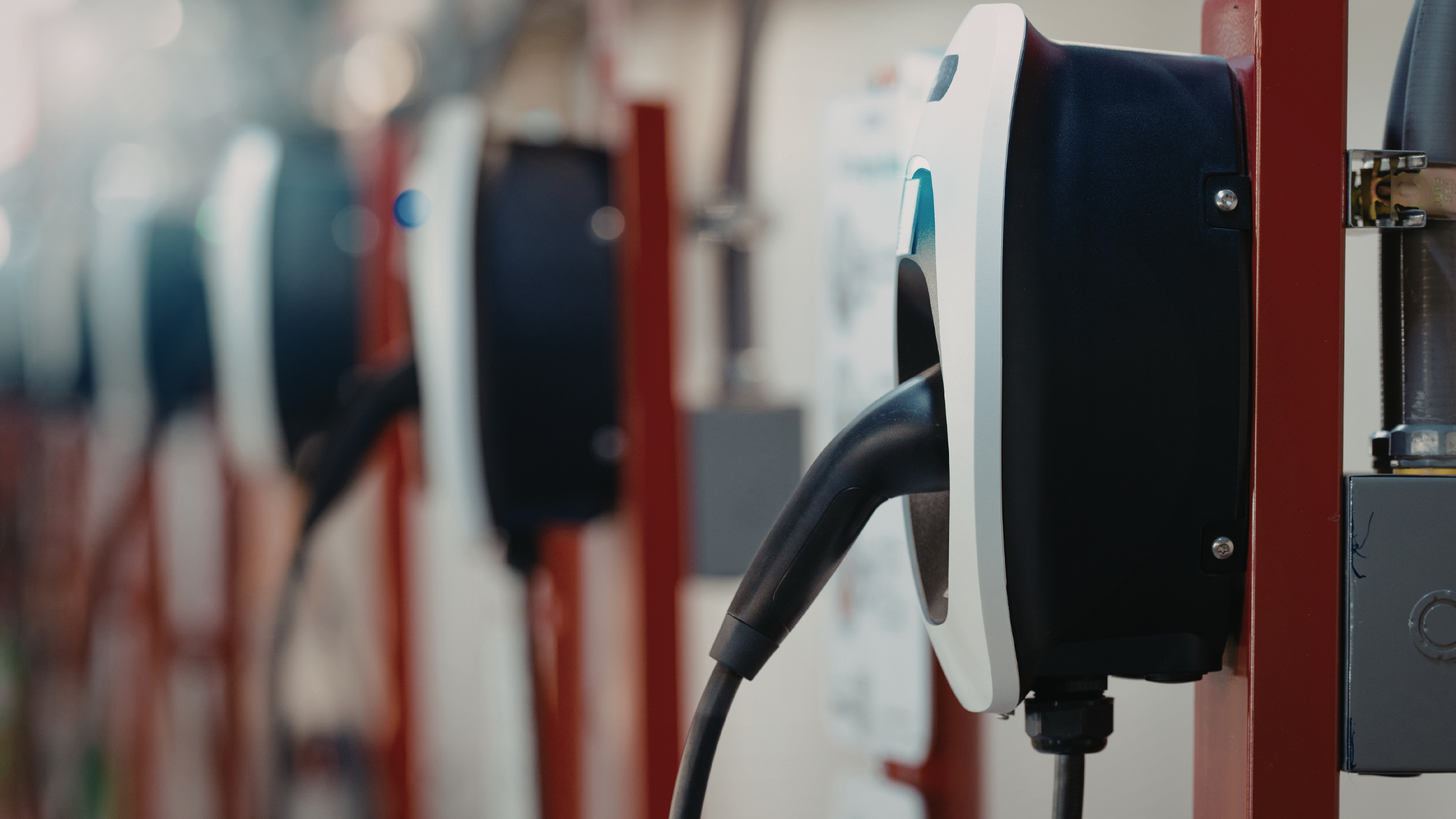
Electric and hybrid vehicles are no longer niche. From Tesla and Rivian to hybrid versions of Mercedes-Benz, BMW, Toyota, and Lexus, electrified vehicles are now a major part of what’s on Southern California roads. While they may look similar to traditional gas-powered vehicles on the outside, what’s underneath is fundamentally different and that difference matters enormously after a collision.
Collision repair for electric vehicles (EVs) and hybrids requires specialized training, strict safety protocols, manufacturer-approved procedures, and dedicated equipment. Not every body shop is qualified to perform these repairs, and choosing the wrong one can lead to serious safety risks, costly mistakes, and long-term reliability issues.
This article explains what makes EV and hybrid collision repair different, why certification matters, and how experienced repair centers ensure these vehicles are restored safely and correctly.
Why Electric & Hybrid Vehicles Are Not “Just Like Gas Cars”
At a glance, an electric or hybrid vehicle may appear identical to its gasoline counterpart. However, the engineering beneath the body panels introduces entirely new considerations for collision repair.
Key differences include:
- High-voltage battery systems
- Electric motors and power electronics
- Complex thermal management systems
- Advanced software and safety controls
- Structural designs built around battery protection
These components change how vehicles absorb impact, how repairs must be performed, and how safety systems are restored after an accident.
High-Voltage Battery Systems: The Biggest Difference
Why EV Batteries Are So Critical
Electric and hybrid vehicles rely on high-voltage battery packs, often operating between 200 and 800 volts. These batteries are typically mounted:
- Under the floor
- Along the vehicle’s frame
- Integrated into the structural design
They are heavy, expensive, and potentially dangerous if damaged or mishandled.
Battery Damage Isn’t Always Visible
One of the most important and misunderstood facts about EV collision repair is that battery damage may not be obvious.
Even a moderate impact can cause:
- Internal cell damage
- Compromised cooling channels
- Electrical isolation faults
- Delayed thermal events
Because of this, manufacturers require specific post-collision battery inspections and diagnostic procedures, even when there is no visible damage.
Fire Risk & Thermal Runaway
Damaged lithium-ion batteries can present a risk of thermal runaway, a chain reaction that can lead to overheating or fire, sometimes hours or even days after a collision.
This is why proper EV repair facilities follow strict protocols for:
- Battery inspection
- Vehicle isolation
- Safe storage
- OEM-approved repair or replacement
Safety Protocols Unique to EV & Hybrid Repairs
High-Voltage Awareness and Training
Unlike traditional vehicles, EVs require technicians trained in high-voltage safety procedures. Improper handling can result in:
- Serious injury or electrocution
- Damage to vehicle systems
- Unsafe repairs
Certified repair centers ensure technicians are trained to:
- Power down high-voltage systems correctly
- Use insulated tools and protective equipment
- Follow lockout and verification procedures
Dedicated Workspaces
Many manufacturers require EVs to be repaired in designated work areas with:
- Proper signage
- Fire-suppression readiness
- Safe distancing from other vehicles
These requirements are not optional, they’re part of OEM safety standards.
Structural Design: Protecting the Battery Changes Everything
EV Crash Structures Are Different
Electric vehicles are engineered with battery protection as a priority. This affects:
- Crumple zones
- Floor pan design
- Side-impact structures
- Subframe configurations
In many EVs, damage that would be considered “minor” on a gas vehicle may require more extensive structural inspection or replacement to protect the battery system.
Repair vs Replacement Decisions Are OEM-Driven
Manufacturers often specify:
- When a battery enclosure must be replaced
- Which structural components cannot be straightened
- Where sectioning is prohibited
Ignoring these requirements can compromise safety and void warranties.
Advanced Electronics & Software Integration
More Than Mechanical Repairs
EVs and hybrids rely heavily on software and electronic communication between systems. After a collision, repairs often involve:
- Module diagnostics
- Software updates
- System resets
- Calibration of sensors and controls
A body shop that lacks OEM diagnostic tools may miss critical issues.
ADAS & Electrification Go Hand in Hand
Electric and hybrid vehicles often feature advanced driver assistance systems (ADAS) as standard. After repairs, these systems frequently require:
- Recalibration
- Verification tests
- Post-repair scans
Failure to complete these steps can lead to malfunctioning safety features.
OEM Repair Procedures Matter Even More for EVs
Why Shortcuts Are Especially Dangerous
OEM repair procedures are essential for all vehicles, but they are non-negotiable for EVs and hybrids.
These procedures dictate:
- Battery inspection requirements
- Structural repair limitations
- Electrical system verification
- Calibration and testing steps
Skipping or altering these steps can create safety risks that may not appear immediately.
OEM Parts Are Often Required
Electric vehicles are engineered with precise tolerances. OEM parts ensure:
- Proper fitment
- Correct thermal and electrical performance
- Compatibility with safety systems
Aftermarket alternatives may not meet these standards, particularly for components related to battery protection or electronics.
Insurance Challenges with Electric & Hybrid Repairs
Higher Complexity, Higher Stakes
EV repairs often cost more due to:
- Specialized labor
- Advanced diagnostics
- OEM part requirements
- Extended repair timelines
Some insurance providers may not fully understand these requirements and may question necessary procedures.
Why an Experienced Repair Center Matters
A qualified collision center knows how to:
- Document OEM repair requirements
- Communicate safety necessities to insurers
- Advocate for proper repairs
- Protect the vehicle owner’s interests
This is especially important for electric and hybrid vehicles, where improper repairs can have serious consequences.
Not Every Body Shop Is EV-Qualified
What Many Shops Lack
Many traditional body shops:
- Do not have EV-specific training
- Lack high-voltage safety equipment
- Cannot perform OEM battery diagnostics
- Are unfamiliar with EV structural designs
This doesn’t mean they’re bad shops, it means EV repair is a different discipline entirely.
Why Certification and Experience Matter
Certified and EV-aware repair centers invest in:
- Technician training
- OEM tooling and software
- Facility upgrades
- Ongoing education
These investments allow repairs to be performed safely and correctly.
How City of Stars Collision Center Approaches EV & Hybrid Repairs
At City of Stars Collision Center, electric and hybrid vehicle repairs are approached with safety, precision, and manufacturer compliance as top priorities.
The repair process includes:
- OEM-guided diagnostics and inspections
- Strict high-voltage safety protocols
- Manufacturer-approved repair methods
- Proper calibration of electronic and safety systems
This approach ensures that electrified vehicles are restored not just cosmetically, but structurally and functionally, exactly as the manufacturer intended.
Long-Term Value of Proper EV Collision Repair
Choosing the right repair facility helps preserve:
- Vehicle safety
- Battery system integrity
- Manufacturer warranties
- Resale value
- Long-term reliability
As EV adoption continues to grow, proper collision repair will become even more critical for protecting both drivers and vehicles.
EV Collision Repair Requires a Higher Standard
Electric and hybrid vehicles represent the future of transportation, but that future comes with new responsibilities after a collision. These vehicles demand specialized knowledge, strict safety protocols, and unwavering adherence to OEM standards.
Choosing an experienced, properly equipped collision center is essential to ensuring your vehicle remains safe, reliable, and road-ready.
Schedule a Certified EV & Hybrid Collision Repair Consultation
If your electric or hybrid vehicle has been involved in an accident, it’s important to choose a repair facility that understands the complexities of electrified vehicles. City of Stars Collision Center provides manufacturer-guided repairs, safety-focused procedures, and the expertise required to properly restore modern vehicles.
Contact City of Stars Collision Center today to schedule a consultation and ensure your EV or hybrid is repaired to the standards it was designed for.
📞 Call: 323-665-5700
📍 4751 Santa Monica Blvd, Los Angeles, CA 90029
