Why Your Car Looks Fine After an Accident But Isn’t Safe to Drive

After a collision, one of the most dangerous assumptions a driver can make is this: “It doesn’t look that bad. I can still drive it.” In modern vehicles, that thinking is often wrong.

What looks like minor cosmetic damage can hide hidden frame damage and serious internal damage after a crash that you cannot see from the outside. Your bumper may look intact. The paint may be fine. The car may still start and drive. But the structural systems designed to protect you could already be compromised.

At City of Stars Collision Center, we regularly inspect vehicles that appear nearly untouched, only to discover structural misalignment, bent mounting points, and safety system issues underneath the surface.

Understanding why this happens can help you avoid driving a vehicle that isn’t actually safe.

Modern Vehicles Are Designed to Hide Damage

Today’s cars are built with crumple zones, impact absorbers, and reinforced structures hidden behind flexible bumper covers and body panels. These components are designed to absorb energy during a collision so the passenger cabin remains protected.

When they do their job, they often bend or compress internally without leaving obvious signs outside.

This means a vehicle can have:

  • No visible dents
  • No cracked paint
  • No warning lights
  • No obvious driving issues

…and still have hidden frame damage.

What Hidden Frame Damage Really Means

Hidden frame damage refers to structural movement in the vehicle’s unibody or frame rails that cannot be seen without disassembly and measurement.

Even low-speed impacts can cause:

  • Slightly bent frame rails
  • Shifted suspension mounting points
  • Twisted subframes
  • Misaligned structural geometry

These changes are often measured in millimeters, but that is enough to affect how the vehicle protects you in another accident.

You won’t feel this while driving. But in a future collision, the crumple zones and airbags may not perform the way the manufacturer intended.

Internal Damage After a Crash Happens Behind the Bumper

Behind your bumper cover are critical components that are easily disturbed during an impact. These parts are rarely visible unless the vehicle is taken apart.

Common areas where internal damage after a crash occurs include:

  • Radiator supports and cooling components
  • AC condensers and fans
  • Wiring harnesses and sensor brackets
  • Suspension and steering mounting points

Nothing may leak. Nothing may rattle. But weeks later, you may start experiencing overheating, electrical problems, or alignment issues that trace back to that “minor” accident.

Advanced Safety Systems Make Minor Accidents More Serious

Modern vehicles rely heavily on ADAS (Advanced Driver Assistance Systems). These include:

  • Blind spot monitoring
  • Lane keep assist
  • Forward collision warning
  • Parking sensors and cameras

These systems depend on sensors mounted at extremely precise angles. After an accident, a bracket can bend slightly or shift just enough to affect accuracy.

The system may still turn on with no warning lights, but it may not function correctly when you actually need it. Without proper scanning and recalibration, these systems cannot be trusted.

Modern Materials Deform Without Showing It

Many newer and luxury vehicles use aluminum, ultra high-strength steel, and structural adhesives instead of traditional welded steel panels.

These materials are designed to absorb impact differently. They can deform internally while the outer panel looks untouched. This is especially common in vehicles from brands like Mercedes-Benz, Land Rover, Jaguar, Tesla, and others that use advanced construction methods.

You cannot identify this type of damage by looking at the vehicle in a parking lot.

Why the Car Still Feels Normal When You Drive It

A common reason people continue driving after an accident is because the vehicle “feels fine.”

Modern cars use electronic steering, stability control, and traction systems that can temporarily compensate for minor misalignments. The car’s computers help mask the symptoms of structural issues.

But these systems cannot fix hidden frame damage. They only make it harder for you to notice.

Insurance Estimates Often Miss the Real Damage

Initial insurance estimates are written based on visible damage. If the bumper looks fine, the estimate may be minimal.

However, once the vehicle is disassembled, technicians often discover:

  • Structural movement behind panels
  • Broken mounting points
  • Damaged supports and brackets
  • Misaligned safety components

This is why repair supplements are so common. The real damage is hidden until the vehicle is taken apart.

Proper Inspection Is the Only Way to Know the Truth

The only way to determine whether your vehicle has hidden structural issues is through a thorough inspection process that includes:

  • Disassembly of impacted areas
  • Computerized frame and structural measurement
  • Diagnostic scanning of vehicle systems
  • Inspection of sensor and mounting points

Without this process, you are relying on appearance alone, which is misleading in modern vehicles.

Collision Repair Is About Safety, Not Cosmetics

Many people think collision repair is about making the car look new again. In reality, the most important work happens where you cannot see it.

True repair means restoring the vehicle’s structure and safety systems to factory condition so it can protect you properly in another accident.

Don’t Assume Your Car Is Safe Because It Looks Fine

If you’ve been in an accident and your vehicle appears to have minor damage, that is exactly when you should be cautious.

The absence of visible damage is often what hides the most serious problems.

At City of Stars Collision Center, our inspection process is designed to identify the hidden issues most people and many shops never see. We measure, scan, and inspect the areas that matter for your safety.

Schedule a Professional Post-Accident Inspection

If you’ve recently experienced a collision, even a minor one, the safest decision you can make is to have your vehicle properly inspected.

Hidden frame damage and internal damage after a crash are far more common than drivers realize. The fact that your car looks fine does not mean it is safe.

Contact City of Stars Collision Center today to schedule an inspection and make sure your vehicle is truly restored to the safety standards it was built with. to schedule a consultation and ensure your EV or hybrid is repaired to the standards it was designed for.

📞 Call: 323-665-5700
📍 4751 Santa Monica Blvd, Los Angeles, CA 90029
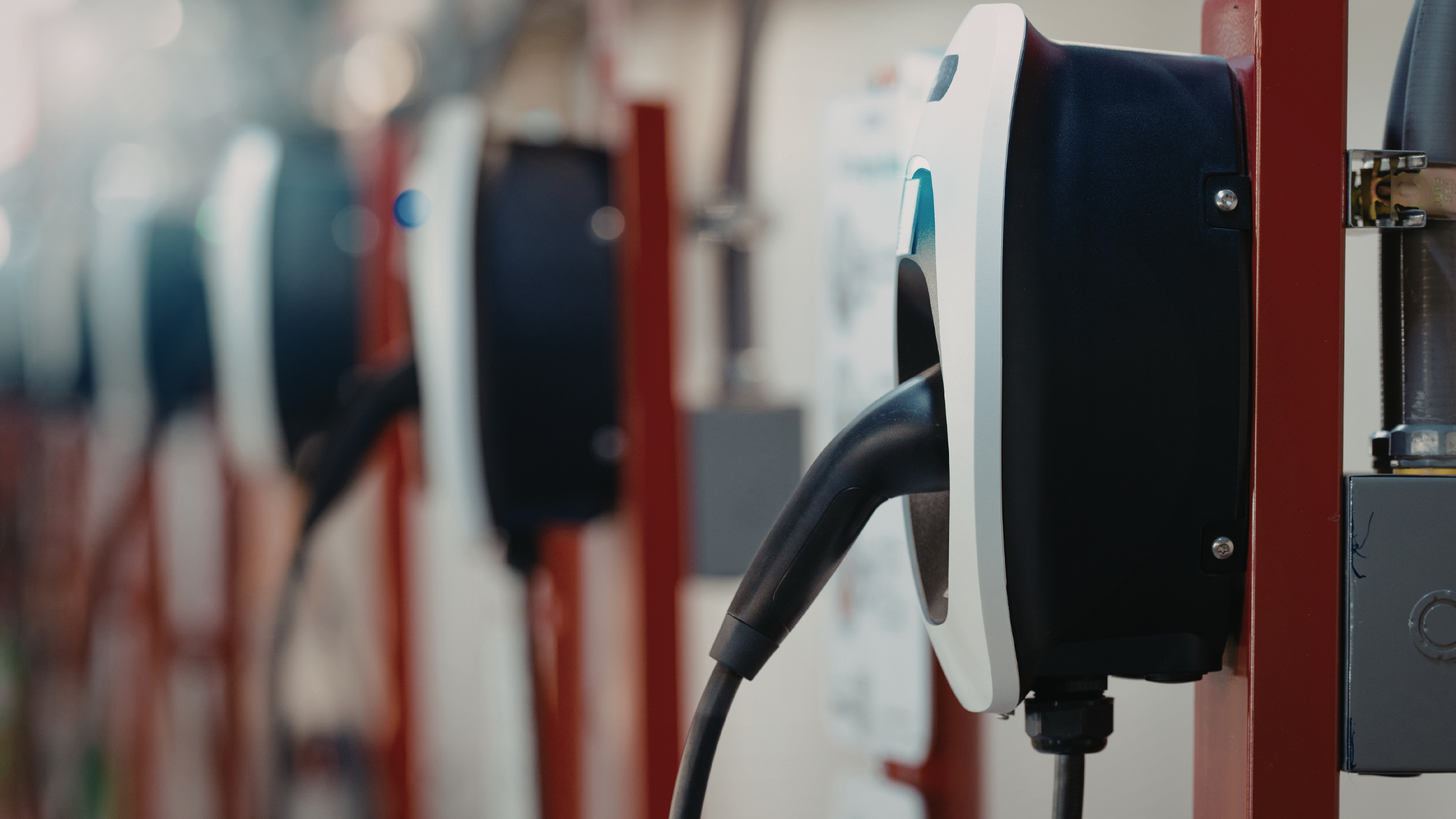
Electric & Hybrid Vehicle Collision Repair

Electric and hybrid vehicles are no longer niche. From Tesla and Rivian to hybrid versions of Mercedes-Benz, BMW, Toyota, and Lexus, electrified vehicles are now a major part of what’s on Southern California roads. While they may look similar to traditional gas-powered vehicles on the outside, what’s underneath is fundamentally different and that difference matters enormously after a collision.

Collision repair for electric vehicles (EVs) and hybrids requires specialized training, strict safety protocols, manufacturer-approved procedures, and dedicated equipment. Not every body shop is qualified to perform these repairs, and choosing the wrong one can lead to serious safety risks, costly mistakes, and long-term reliability issues.

This article explains what makes EV and hybrid collision repair different, why certification matters, and how experienced repair centers ensure these vehicles are restored safely and correctly.

Why Electric & Hybrid Vehicles Are Not “Just Like Gas Cars”

At a glance, an electric or hybrid vehicle may appear identical to its gasoline counterpart. However, the engineering beneath the body panels introduces entirely new considerations for collision repair.

Key differences include:

  • High-voltage battery systems
  • Electric motors and power electronics
  • Complex thermal management systems
  • Advanced software and safety controls
  • Structural designs built around battery protection

These components change how vehicles absorb impact, how repairs must be performed, and how safety systems are restored after an accident.

High-Voltage Battery Systems: The Biggest Difference

Why EV Batteries Are So Critical

Electric and hybrid vehicles rely on high-voltage battery packs, often operating between 200 and 800 volts. These batteries are typically mounted:

  • Under the floor
  • Along the vehicle’s frame
  • Integrated into the structural design

They are heavy, expensive, and potentially dangerous if damaged or mishandled.

Battery Damage Isn’t Always Visible

One of the most important and misunderstood facts about EV collision repair is that battery damage may not be obvious.

Even a moderate impact can cause:

  • Internal cell damage
  • Compromised cooling channels
  • Electrical isolation faults
  • Delayed thermal events

Because of this, manufacturers require specific post-collision battery inspections and diagnostic procedures, even when there is no visible damage.

Fire Risk & Thermal Runaway

Damaged lithium-ion batteries can present a risk of thermal runaway, a chain reaction that can lead to overheating or fire, sometimes hours or even days after a collision.

This is why proper EV repair facilities follow strict protocols for:

  • Battery inspection
  • Vehicle isolation
  • Safe storage
  • OEM-approved repair or replacement

Safety Protocols Unique to EV & Hybrid Repairs

High-Voltage Awareness and Training

Unlike traditional vehicles, EVs require technicians trained in high-voltage safety procedures. Improper handling can result in:

  • Serious injury or electrocution
  • Damage to vehicle systems
  • Unsafe repairs

Certified repair centers ensure technicians are trained to:

  • Power down high-voltage systems correctly
  • Use insulated tools and protective equipment
  • Follow lockout and verification procedures

Dedicated Workspaces

Many manufacturers require EVs to be repaired in designated work areas with:

  • Proper signage
  • Fire-suppression readiness
  • Safe distancing from other vehicles

These requirements are not optional, they’re part of OEM safety standards.

Structural Design: Protecting the Battery Changes Everything

EV Crash Structures Are Different

Electric vehicles are engineered with battery protection as a priority. This affects:

  • Crumple zones
  • Floor pan design
  • Side-impact structures
  • Subframe configurations

In many EVs, damage that would be considered “minor” on a gas vehicle may require more extensive structural inspection or replacement to protect the battery system.

Repair vs Replacement Decisions Are OEM-Driven

Manufacturers often specify:

  • When a battery enclosure must be replaced
  • Which structural components cannot be straightened
  • Where sectioning is prohibited

Ignoring these requirements can compromise safety and void warranties.

Advanced Electronics & Software Integration

More Than Mechanical Repairs

EVs and hybrids rely heavily on software and electronic communication between systems. After a collision, repairs often involve:

  • Module diagnostics
  • Software updates
  • System resets
  • Calibration of sensors and controls

A body shop that lacks OEM diagnostic tools may miss critical issues.

ADAS & Electrification Go Hand in Hand

Electric and hybrid vehicles often feature advanced driver assistance systems (ADAS) as standard. After repairs, these systems frequently require:

  • Recalibration
  • Verification tests
  • Post-repair scans

Failure to complete these steps can lead to malfunctioning safety features.

OEM Repair Procedures Matter Even More for EVs

Why Shortcuts Are Especially Dangerous

OEM repair procedures are essential for all vehicles, but they are non-negotiable for EVs and hybrids.

These procedures dictate:

  • Battery inspection requirements
  • Structural repair limitations
  • Electrical system verification
  • Calibration and testing steps

Skipping or altering these steps can create safety risks that may not appear immediately.

OEM Parts Are Often Required

Electric vehicles are engineered with precise tolerances. OEM parts ensure:

  • Proper fitment
  • Correct thermal and electrical performance
  • Compatibility with safety systems

Aftermarket alternatives may not meet these standards, particularly for components related to battery protection or electronics.

Insurance Challenges with Electric & Hybrid Repairs

Higher Complexity, Higher Stakes

EV repairs often cost more due to:

  • Specialized labor
  • Advanced diagnostics
  • OEM part requirements
  • Extended repair timelines

Some insurance providers may not fully understand these requirements and may question necessary procedures.

Why an Experienced Repair Center Matters

A qualified collision center knows how to:

  • Document OEM repair requirements
  • Communicate safety necessities to insurers
  • Advocate for proper repairs
  • Protect the vehicle owner’s interests

This is especially important for electric and hybrid vehicles, where improper repairs can have serious consequences.

Not Every Body Shop Is EV-Qualified

What Many Shops Lack

Many traditional body shops:

  • Do not have EV-specific training
  • Lack high-voltage safety equipment
  • Cannot perform OEM battery diagnostics
  • Are unfamiliar with EV structural designs

This doesn’t mean they’re bad shops, it means EV repair is a different discipline entirely.

Why Certification and Experience Matter

Certified and EV-aware repair centers invest in:

  • Technician training
  • OEM tooling and software
  • Facility upgrades
  • Ongoing education

These investments allow repairs to be performed safely and correctly.

How City of Stars Collision Center Approaches EV & Hybrid Repairs

At City of Stars Collision Center, electric and hybrid vehicle repairs are approached with safety, precision, and manufacturer compliance as top priorities.

The repair process includes:

  • OEM-guided diagnostics and inspections
  • Strict high-voltage safety protocols
  • Manufacturer-approved repair methods
  • Proper calibration of electronic and safety systems

This approach ensures that electrified vehicles are restored not just cosmetically, but structurally and functionally, exactly as the manufacturer intended.

Long-Term Value of Proper EV Collision Repair

Choosing the right repair facility helps preserve:

  • Vehicle safety
  • Battery system integrity
  • Manufacturer warranties
  • Resale value
  • Long-term reliability

As EV adoption continues to grow, proper collision repair will become even more critical for protecting both drivers and vehicles.

EV Collision Repair Requires a Higher Standard

Electric and hybrid vehicles represent the future of transportation, but that future comes with new responsibilities after a collision. These vehicles demand specialized knowledge, strict safety protocols, and unwavering adherence to OEM standards.

Choosing an experienced, properly equipped collision center is essential to ensuring your vehicle remains safe, reliable, and road-ready.

Schedule a Certified EV & Hybrid Collision Repair Consultation

If your electric or hybrid vehicle has been involved in an accident, it’s important to choose a repair facility that understands the complexities of electrified vehicles. City of Stars Collision Center provides manufacturer-guided repairs, safety-focused procedures, and the expertise required to properly restore modern vehicles.

Contact City of Stars Collision Center today to schedule a consultation and ensure your EV or hybrid is repaired to the standards it was designed for.

📞 Call: 323-665-5700
📍 4751 Santa Monica Blvd, Los Angeles, CA 90029

ADAS Calibration: Why It Matters After a Collision

Modern vehicles are smarter, safer, and more technologically advanced than ever before. Features like automatic emergency braking, lane-keeping assist, adaptive cruise control, and blind-spot monitoring are no longer limited to luxury cars, they’re now standard on many vehicles across all price ranges.

But these systems rely on one critical factor to function properly: precision.

After a collision, no matter how minor, those systems may no longer operate as intended unless they are properly recalibrated. This process is known as ADAS calibration, and it has become one of the most important steps in modern collision repair.

Understanding what ADAS is, how it works, and why calibration is essential can help you protect your safety, your vehicle, and everyone else on the road.

What Is ADAS?

ADAS stands for Advanced Driver Assistance Systems. These systems use a combination of cameras, radar, ultrasonic sensors, and control modules to help drivers avoid accidents or reduce the severity of collisions.

Common ADAS features include:

  • Automatic emergency braking
  • Forward collision warning
  • Lane departure warning and lane-keeping assist
  • Blind-spot monitoring
  • Adaptive cruise control
  • Parking sensors and surround-view cameras
  • Traffic sign recognition

These systems are constantly collecting data and making split-second decisions. For them to work correctly, every sensor must be perfectly aligned and calibrated according to manufacturer specifications.

Why ADAS Calibration Is Required After a Collision

Many drivers assume ADAS calibration is only necessary after major accidents. In reality, even a low-speed collision or minor body repair can affect these systems.

Small Changes Can Have Big Consequences

ADAS components are mounted behind bumpers, inside windshields, on side mirrors, and within body panels. A collision can cause:

  • Slight shifts in sensor positioning
  • Changes in camera angles
  • Panel misalignment that blocks sensor visibility
  • Altered ride height affecting radar range

Even millimeters of misalignment can cause ADAS systems to misjudge distance, speed, or lane positioning.

Repairs That Commonly Require Calibration

ADAS calibration is often required after:

  • Bumper repairs or replacement
  • Windshield replacement
  • Suspension or alignment work
  • Frame or structural repairs
  • Wheel alignment adjustments
  • Camera or sensor replacement

In many cases, calibration is mandatory according to OEM repair procedures, regardless of whether warning lights appear on the dashboard.

What Happens If ADAS Is Not Properly Calibrated?

Skipping or improperly performing ADAS calibration can be dangerous.

False Sense of Security

One of the biggest risks is that the system may appear to work, but respond incorrectly in real-world conditions. This can include:

  • Emergency braking activating too late (or too early)
  • Lane-keeping assist pulling the vehicle unexpectedly
  • Blind-spot warnings failing to detect vehicles
  • Adaptive cruise control misjudging following distance

Because drivers trust these systems, failures can increase the risk of serious accidents.

Liability and Safety Risks

Improper calibration doesn’t just affect vehicle performance, it can create legal and liability issues. If a safety system fails due to incorrect repair procedures, responsibility may fall on the repair facility rather than the manufacturer.

This is why certified collision centers take calibration seriously and follow OEM requirements exactly.

Static vs Dynamic ADAS Calibration

Not all calibrations are the same. Most vehicles require one or both of the following methods:

Static Calibration

Static calibration is performed in a controlled environment using specialized targets and precise measurements. The vehicle remains stationary while calibration equipment communicates with the vehicle’s systems.

This process requires:

  • Manufacturer-specific targets
  • Controlled lighting conditions
  • Precise distances and alignment
  • Factory-approved software

Dynamic Calibration

Dynamic calibration involves driving the vehicle under specific conditions so the system can learn real-world inputs.

This may require:

  • Specific speeds
  • Clearly marked roads
  • Minimal traffic
  • Stable weather conditions

Some vehicles require both static and dynamic calibration to fully restore ADAS functionality.

Why ADAS Calibration Is Especially Important for Luxury & European Vehicles

Luxury and European manufacturers often use more advanced ADAS systems with tighter tolerances and stricter requirements.

These vehicles may:

  • Use multiple sensors working together simultaneously
  • Require brand-specific calibration tools
  • Enforce strict OEM procedures for every repair

Failure to follow these procedures can result in system errors, warning lights, or disabled safety features.

Certified collision centers invest heavily in the tools, training, and software needed to meet these standards.

OEM Repair Procedures and ADAS Calibration

Calibration Is Not Optional

OEM repair procedures clearly state when ADAS calibration is required. These procedures are developed by the engineers who designed the vehicle’s safety systems.

Ignoring or bypassing them can:

  • Compromise vehicle safety
  • Void warranties
  • Reduce resale value
  • Create long-term reliability issues

Why Warning Lights Aren’t Enough

Some drivers assume that if no warning lights are on, calibration isn’t necessary. This is a common misconception.

Many ADAS issues:

  • Do not trigger dashboard warnings
  • Only appear under specific driving conditions
  • Gradually degrade system accuracy

OEM procedures exist to prevent these hidden failures.

Insurance Companies and ADAS Calibration

Cost vs Safety

ADAS calibration can be time-consuming and requires specialized equipment, which means it adds cost to a repair. Some insurance providers may question or push back on calibration procedures.

However, calibration is not a “nice-to-have”, it’s a safety requirement.

Vehicle owners have the right to repairs that follow manufacturer guidelines, especially when safety systems are involved.

The Value of a Knowledgeable Repair Facility

A qualified collision center understands how to:

  • Document OEM calibration requirements
  • Explain the necessity of calibration to insurers
  • Ensure all post-repair safety checks are completed

This protects both the driver and the integrity of the repair.

Why Not All Body Shops Can Perform ADAS Calibration

ADAS calibration requires more than basic diagnostic tools. Proper calibration demands:

  • Manufacturer-approved scan tools
  • Dedicated calibration spaces
  • Trained technicians
  • Updated OEM software
  • Ongoing education as systems evolve

Many general body shops lack these resources, which is why calibration is often skipped or outsourced incorrectly.

How City of Stars Collision Center Approaches ADAS Calibration

At City of Stars Collision Center, ADAS calibration is treated as a critical safety step, not an afterthought.

The team follows manufacturer-approved repair procedures, uses OEM-specified calibration methods, and ensures that every vehicle’s safety systems are restored to proper working condition before it’s returned to the road.

This attention to detail helps ensure:

  • Accurate sensor performance
  • Reliable safety features
  • Compliance with OEM standards
  • Peace of mind for drivers

The Long-Term Value of Proper Calibration

Correct ADAS calibration helps preserve:

  • Vehicle safety and performance
  • Manufacturer warranties
  • Insurance documentation integrity
  • Resale value

As vehicles become more technologically advanced, proper calibration will only become more important.

ADAS Calibration Is About Safety, Not Convenience

ADAS technology is designed to save lives, but only when it works correctly. After a collision, even minor repairs can disrupt these systems in ways that aren’t visible to the driver.

Proper ADAS calibration ensures that the technology you rely on every day performs exactly as intended.

Choosing a repair facility that understands and prioritizes calibration is one of the most important decisions you can make after an accident.

Schedule a Certified Collision Repair Consultation

If your vehicle has been involved in a collision, it’s essential to ensure that all safety systems are properly restored. City of Stars Collision Center provides manufacturer-approved collision repairs and precise ADAS calibration to help keep you safe on the road.

Contact City of Stars Collision Center today to schedule a consultation and make sure your vehicle is repaired to the standards it was designed for.r today to schedule a consultation and ensure your vehicle is repaired to the standards it was built for.

📞 Call: 323-665-5700
📍 4751 Santa Monica Blvd, Los Angeles, CA 90029

How Luxury & European Vehicles Differ in Collision Repair

Luxury and European vehicles are engineered to a higher standard and that difference becomes especially important after an accident. While many drivers assume collision repair is largely the same across all vehicles, the reality is that luxury and European models require specialized training, equipment, and manufacturer-approved repair procedures that most body shops simply don’t have.

From advanced safety systems to proprietary materials and strict OEM requirements, repairing a Mercedes-Benz, BMW, Land Rover, Audi, or Porsche is fundamentally different from repairing a standard domestic vehicle. Understanding those differences can help protect your vehicle’s safety, performance, and long-term value.

This guide explains why luxury and European vehicles require a different level of collision repair, what can go wrong when those standards aren’t followed, and how certified repair centers like City of Stars Collision Center ensure repairs are done correctly the first time.

Why Luxury & European Vehicles Are Engineered Differently

Luxury and European manufacturers design their vehicles with performance, safety, and longevity as core priorities. That engineering philosophy affects everything from the materials used in the body structure to the way electronics and safety systems interact.

Unlike mass-market vehicles, many luxury cars are built using:

  • Aluminum and mixed-material body panels
  • High-strength steel and carbon fiber components
  • Complex crash-energy management systems
  • Integrated electronics tied to safety, steering, and braking

These design choices improve performance and safety, but they also make collision repair far more complex.

Advanced Materials Require Specialized Repair Techniques

Aluminum & Mixed-Material Construction

Many European and luxury vehicles use aluminum-intensive bodies to reduce weight and improve fuel efficiency. Unlike steel, aluminum cannot be repaired using traditional body shop methods.

Improper aluminum repair can:

  • Weaken the structure of the vehicle
  • Compromise crash-energy absorption
  • Void manufacturer warranties
  • Create corrosion issues over time

Certified collision centers use manufacturer-approved aluminum repair equipment, dedicated aluminum workspaces, and technicians trained specifically for these materials.

Carbon Fiber & High-Strength Steel

Some high-end vehicles incorporate carbon fiber reinforcements or ultra-high-strength steel components. These materials are designed to behave in very specific ways during an impact.

If they are:

  • Cut incorrectly
  • Heated improperly
  • Straightened when replacement is required

…the structural integrity of the vehicle can be permanently compromised.

The Role of OEM Repair Procedures

What OEM Guidelines Actually Mean

OEM (Original Equipment Manufacturer) repair procedures are not suggestions, they are mandatory instructions created by the engineers who designed the vehicle.

These procedures dictate:

  • Which parts must be replaced vs repaired
  • How panels are bonded or welded
  • Where and how structural repairs are allowed
  • Required calibrations after repairs

Luxury manufacturers update these procedures regularly. Shops that don’t follow them risk unsafe repairs, liability issues, and long-term vehicle problems.

Aftermarket vs OEM Parts: Why It Matters More on Luxury Cars

While aftermarket parts may appear similar, they often:

  • Lack proper crash-testing
  • Fit differently than OEM components
  • Interfere with sensors or alignment
  • Affect resale and warranty status

Luxury vehicles are engineered with tight tolerances. Even minor deviations can lead to wind noise, panel misalignment, warning lights, or compromised safety systems.

Certified shops prioritize genuine OEM parts, ensuring the vehicle performs as the manufacturer intended.

Advanced Safety Systems (ADAS) Change Everything

What Is ADAS?

Advanced Driver Assistance Systems (ADAS) include features such as:

  • Adaptive cruise control
  • Lane-keeping assist
  • Blind-spot monitoring
  • Automatic emergency braking
  • Parking sensors and cameras

These systems rely on precise sensor positioning and calibration.

Why Calibration Is Mandatory After a Collision

Even a low-speed accident can:

  • Shift sensors by millimeters
  • Affect camera angles
  • Trigger false warnings or system failures

Luxury manufacturers require post-repair calibrations using specialized equipment and controlled environments. Skipping or improperly performing these calibrations can make safety systems unreliable or nonfunctional.

Certification: What It Actually Means (And Why It Matters)

Not All Body Shops Are Created Equal

Many body shops advertise experience with luxury vehicles, but certification is different from familiarity.

Manufacturer certifications require:

  • Ongoing technician training
  • Investment in approved equipment
  • Regular audits and compliance checks
  • Adherence to OEM repair standards

Only a limited number of shops meet these requirements, especially in California.

Why Certified Repair Protects You

Choosing a certified collision center helps ensure:

  • Repairs meet manufacturer safety standards
  • OEM parts are used when required
  • Advanced systems are properly calibrated
  • Vehicle warranties remain intact
  • Long-term reliability and resale value are preserved

For luxury vehicle owners, certification is not a luxury, it’s a necessity.

Insurance Considerations for Luxury Vehicle Repairs

Insurance Doesn’t Always Prioritize OEM Standards

Insurance companies often aim to control costs, which may include:

  • Recommending aftermarket or recycled parts
  • Limiting repair procedures
  • Pressuring shops to repair rather than replace

However, vehicle owners have the right to proper repairs, especially when manufacturer guidelines require OEM parts and specific procedures.

The Importance of an Advocate Repair Shop

A certified collision center understands how to:

  • Document OEM repair requirements
  • Communicate with insurance adjusters
  • Justify necessary procedures and parts
  • Protect the integrity of the repair

This advocacy is especially important for luxury and European vehicles, where shortcuts can have serious consequences.

Why Improper Repairs Can Cost More in the Long Run

Cut-rate or uncertified repairs may seem convenient initially, but they can lead to:

  • Repeated warning lights
  • Poor alignment or handling
  • Increased wear on suspension and tires
  • Reduced resale value
  • Safety system failures

Luxury vehicles are long-term investments. Proper repairs help preserve both performance and value.

Why City of Stars Collision Center Is Different

City of Stars Collision Center is one of the few facilities equipped to handle the true complexity of luxury and European vehicle repairs. The team follows manufacturer-approved repair methods, uses genuine OEM parts, and invests in the training and technology required for modern vehicles.

This commitment allows repairs to meet the same standards used by the manufacturer, not shortcuts that simply “look good.”

For owners of luxury and European vehicles, that difference matters every time you drive.

Choose the Right Repair for the Car You Drive

Luxury and European vehicles are engineered with precision and they deserve the same level of precision in repair. Choosing the wrong body shop can compromise safety, performance, and value, even if the damage appears minor.

Understanding the differences in collision repair empowers you to make better decisions for your vehicle and your safety.

Schedule a Certified Luxury Collision Repair Consultation

If your luxury or European vehicle has been involved in an accident, choosing the right repair facility matters. City of Stars Collision Center provides manufacturer-approved collision repairs, genuine OEM parts, and certified expertise you can trust.

Contact City of Stars Collision Center today to schedule a consultation and ensure your vehicle is repaired to the standards it was built for.

📞 Call: 323-665-5700
📍 4751 Santa Monica Blvd, Los Angeles, CA 90029
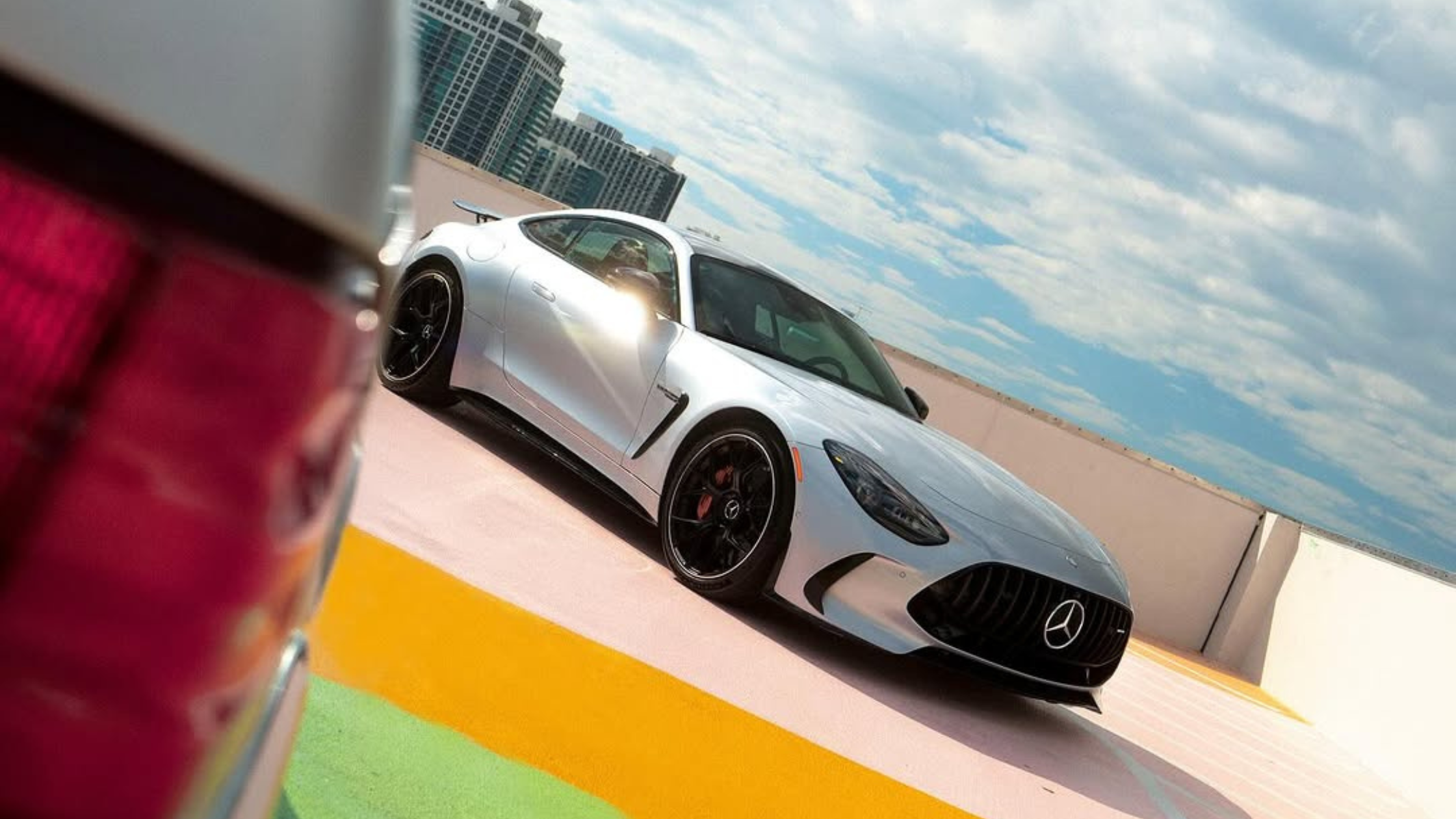
Exclusive Certified Collision Repair Center for Jaguar Land Rover Cerritos

We’re proud to share a major milestone for our team and our customers: City of Stars Collision Center is now the official exclusive certified collision repair facility for Jaguar Land Rover Cerritos, located on 183rd Street in California.

This certification represents more than just a new partnership, it’s recognition that our facility, technicians, equipment, and repair processes meet the strict manufacturer standards required by Jaguar and Land Rover. It also means that Jaguar Land Rover Cerritos has entrusted us as their sole recommended collision repair center for their customers.

For Jaguar and Land Rover owners, this certification provides peace of mind. For City of Stars Collision Center, it reinforces our commitment to performing repairs the right way, not the fastest, cheapest, or most convenient way, but the way the manufacturer intended.

What This New Certification Means

Jaguar Land Rover certifications are not given lightly. These manufacturers are known for advanced engineering, lightweight materials, sophisticated electronics, and strict safety requirements.

Becoming an exclusive certified collision center means that City of Stars Collision Center has been vetted and approved to perform structural and cosmetic repairs that meet Jaguar and Land Rover’s factory specifications.

This approval is based on several key factors, including:

  • Technician training and ongoing certification
  • Investment in Jaguar Land Rover–approved equipment
  • Ability to follow OEM repair procedures precisely
  • Use of genuine OEM parts
  • Facility layout and repair environment compliance
  • Quality control and documentation standards

Exclusivity further indicates that Jaguar Land Rover Cerritos recognizes the importance of consistency and trust when it comes to collision repairs for their customers.

Why Jaguar & Land Rover Repairs Require Certified Expertise

Jaguar and Land Rover vehicles are engineered differently than standard passenger vehicles. From aluminum-intensive body construction to integrated safety and driver-assistance systems, these vehicles require specialized knowledge and tools after a collision.

Advanced Materials and Structural Design

Many Jaguar and Land Rover models use aluminum body panels and mixed-material structures. Aluminum behaves very differently than steel and cannot be repaired using traditional methods.

Improper aluminum repair can:

  • Compromise crash protection
  • Weaken structural integrity
  • Cause corrosion issues
  • Void manufacturer warranties

Certified facilities are required to maintain dedicated aluminum repair processes, tools, and workspaces to prevent cross-contamination and ensure proper structural restoration.

Sophisticated Electronics & Safety Systems

Jaguar Land Rover vehicles incorporate advanced safety and driver assistance systems, including:

  • Adaptive cruise control
  • Lane-keeping assist
  • Blind-spot monitoring
  • 360-degree camera systems
  • Advanced braking and stability systems

After a collision, these systems often require precise recalibration according to factory guidelines. Even minor misalignment can affect performance and safety.

Certified repair centers are trained to restore these systems properly, not just cosmetically, but functionally.

What “Exclusive” Certification Really Means for Vehicle Owners

Many shops claim experience with luxury vehicles. Certification and especially exclusive certification is different.

Being the exclusive certified collision center for Jaguar Land Rover Cerritos means:

  • The dealership trusts our repair quality and processes
  • Repairs align with factory engineering standards
  • OEM procedures are followed from start to finish
  • Jaguar and Land Rover owners are guided to a repair center equipped to handle their vehicles correctly

This level of trust is earned through consistency, training, and long-term investment in manufacturer requirements.

OEM Parts: Why They Matter for Jaguar & Land Rover Repairs

One of the most important aspects of certified collision repair is the use of genuine OEM parts.

Jaguar and Land Rover vehicles are built with tight tolerances and precise engineering. OEM parts ensure:

  • Proper fit and finish
  • Correct material composition
  • Compatibility with safety systems
  • Maintained crash performance
  • Preserved resale value

Aftermarket parts may appear similar, but they are not always tested to the same standards, especially for luxury and performance vehicles.

Certified repairs prioritize OEM parts whenever required by manufacturer guidelines.

The Role of OEM Repair Procedures

Jaguar Land Rover publishes detailed repair procedures for every vehicle and repair scenario. These procedures specify:

  • When parts must be replaced instead of repaired
  • Approved structural repair methods
  • Bonding, welding, and fastening techniques
  • Required inspections and post-repair calibrations

These procedures are created by the same engineers who designed the vehicle’s safety systems. Certified collision centers are expected to follow them exactly.

Skipping or modifying these steps can compromise safety and long-term reliability.

Why Not Every Body Shop Can Earn This Certification

Becoming Jaguar Land Rover certified requires significant investment and commitment. Many body shops are unable to meet these standards due to:

  • High equipment costs
  • Ongoing training requirements
  • Strict compliance audits
  • Limited repair flexibility

This is why certified Jaguar Land Rover collision centers are relatively rare, and exclusive certifications even more so.

City of Stars Collision Center has made it a priority to invest in the tools, training, and processes necessary to meet and maintain these standards.

How This Certification Benefits Jaguar Land Rover Cerritos Customers

For customers of Jaguar Land Rover Cerritos, this partnership ensures that collision repairs are handled by a facility that understands the vehicle as well as the manufacturer does.

Benefits include:

  • Manufacturer-approved repair quality
  • Certified technicians trained on Jaguar & Land Rover vehicles
  • Proper structural and cosmetic restoration
  • Accurate calibration of safety systems
  • Protection of vehicle value and warranties

This collaboration helps ensure a seamless experience from dealership to collision repair and back to the road.

City of Stars Collision Center’s Commitment to Certified Repairs

At City of Stars Collision Center, certification isn’t about logos, it’s about accountability.

This new exclusive certification reinforces our ongoing commitment to:

  • Manufacturer-approved repair standards
  • Continuous technician education
  • Investment in modern repair technology
  • Transparency throughout the repair process
  • Safety-first collision repairs

We believe luxury and performance vehicles deserve repairs that meet the same standards they were built with.

Insurance and Certified Jaguar Land Rover Repairs

Insurance companies often focus on cost containment, but certified repairs prioritize safety, performance, and manufacturer compliance.

Jaguar Land Rover certification helps ensure:

  • OEM repair procedures are properly documented
  • Necessary calibrations and inspections are performed
  • Structural repairs meet factory requirements

Certified collision centers are equipped to communicate these requirements clearly to insurance providers and advocate for proper repairs.

Long-Term Value of Certified Jaguar Land Rover Collision Repair

Choosing a certified collision center helps preserve:

  • Structural integrity
  • Safety system performance
  • Manufacturer warranties
  • Vehicle resale value
  • Long-term reliability

For Jaguar and Land Rover owners, certified repair is not just about appearance, it’s about protecting the investment and engineering behind the vehicle.

A Milestone Worth Celebrating

Becoming the exclusive certified collision repair partner for Jaguar Land Rover Cerritos is a significant milestone for City of Stars Collision Center. It reflects years of dedication to quality, training, and doing repairs the right way.

We’re honored to be trusted by both the manufacturer and the dealership and proud to extend that level of care to every Jaguar and Land Rover owner who walks through our doors.

Schedule a Certified Jaguar Land Rover Collision Repair Consultation

If your Jaguar or Land Rover has been involved in a collision, choosing the right repair facility matters. City of Stars Collision Center is now the exclusive certified collision repair partner for Jaguar Land Rover Cerritos, offering manufacturer-approved repairs, genuine OEM parts, and certified expertise.

Contact City of Stars Collision Center today to schedule a consultation and ensure your Jaguar or Land Rover is repaired to factory standards.

📞 Call: 323-665-5700
📍 4751 Santa Monica Blvd, Los Angeles, CA 90029

PPF vs Ceramic Coating vs Wraps

In many cases, the best protection strategy is a combination: PPF + Ceramic Coating, especially for luxury and high-performance vehicles driven in Los Angeles traffic and freeway conditions.

  • PPF (Paint Protection Film) is best if your priority is physical protection from rock chips, scratches, and road debris.
  • Ceramic Coating is best if you want gloss, easy cleaning, and long-term shine, but it does not stop chips or impacts.
  • Wraps are best for changing your vehicle’s appearance or branding, while also adding light surface protection.

Why This Matters in Los Angeles

LA roads are tough on paint:

  • High UV Index: accelerates fading & oxidation
  • Freeway Debris: I-10, 405, and 101 are notorious for rock chips
  • Stop-and-Go Traffic: increases panel contact risk
  • High Vehicle Density: more chances of door dings & abrasion

Protecting your finish isn’t just cosmetic, it preserves resale value.

According to Kelley Blue Book, vehicles with protected OEM paint retain 8–15% more resale value than comparable repainted vehicles.

Understanding Your Options

1. Paint Protection Film (PPF)

Best For: Preventing physical damage.

PPF is a clear, self-healing film applied to high-impact areas or the full vehicle.
We use XPEL, the industry leader trusted by manufacturers like Porsche and Mercedes-Benz.

BenefitsWhat It Protects Against
Self-heals light scratches with heatRock chips & gravel
Maintains OEM paint underneathRoad debris impact
UV protectionKey scratches / abrasion

Typical Cost in LA:

  • Partial Front End: $1,100–$1,800
  • Full Vehicle: $4,000–$8,000+

Lifespan: 5–10 years

2. Ceramic Coating

Best For: Shine & easy cleaning.

Ceramic coating is a liquid, nano-ceramic layer that bonds to your paint.

BenefitsLimitations
High-gloss “wet” lookDoes not prevent chips
Hydrophobic — dirt slides offWon’t stop scratches or impacts
UV & chemical resistantNeeds proper prep and maintenance

Typical Cost in LA:

  • Single-stage coating: $600–$1,200
  • Multi-layer premium coating: $1,400–$2,800

Lifespan: 2–5 years with proper maintenance

3. Vehicle Wraps

Best For: Changing the look of your vehicle.

Wraps allow you to transform your vehicle without repainting, while adding a protective barrier.

BenefitsConsiderations
Full-color changeNot as durable as PPF
Protects OEM paint from sun fadeCan scratch if not maintained
Fully reversibleQuality varies by installer & vinyl brand

Typical Cost in LA:

  • Full color wrap: $2,000–$6,000
  • Custom Print / Specialty Finishes: $4,500–$10,000+

Lifespan: 3–7 years

Side-by-Side Comparison Chart

FeaturePPFCeramic CoatingWrap
Rock Chip ProtectionExcellentNoneLight
Scratch ResistanceSelf-HealingMinor Swirl ProtectionModerate
UV ProtectionYesYesYes
Appearance UpgradeNearly invisibleHigh gloss finishComplete style change
Maintenance EaseModerateVery EasyModerate
Average Lifespan5–10 yrs2-5 yrs3-7 yrs

Which Is Right for Your Vehicle Type?

Vehicle TypeRecommended PackageWhy
Daily Driver (Honda, Toyota, VW, etc.)PPF on front + Ceramic CoatingProtects from freeway chips + easier washing
Luxury SUV (Range Rover, Mercedes GLS, BMW X5)Full Front PPF + Full CeramicLarge front profiles take more rock impact
Sports / Performance (Porsche, BMW M, AMG)Full Vehicle PPFPrevents track & highway debris damage
Commercial / Fleet (Sprinter Vans, Work Trucks)Wrap + CeramicBranding + easy cleaning + UV protection

When Should You Combine Services?

The most popular premium protection package is: Full Front XPEL PPF + Full Vehicle Ceramic Coating

This gives you:

  • Impact protection
  • Easy maintenance
  • Deep gloss finish
  • Long-term resale value preservation

Case Insight from CSCC

A customer brought in a new Mercedes GLE planning to drive to Mammoth.
We installed:

  • Full Front XPEL PPF
  • Two-layer Ceramic Coating

After 600+ miles of mountain highway driving, they returned with zero rock chips, minimal dirt adhesion, and a like-new finish.

Real-world performance > marketing claims.

Is PPF Worth the Cost?

If you drive in LA, the answer is almost always yes. One single rock chip in a metallic or three-stage pearl paint job can cost $500–$2,500+ to repair, more than partial PPF.

Frequently Asked Questions (FAQ)

Q: Can I wrap over ceramic coating?
A: Not recommended, wraps need a clean, raw surface to adhere properly.

Q: Can I PPF a wrapped car?
A: Yes, but the wrap needs to be high-quality cast vinyl.

Q: Will PPF make my car shiny?
A: Yes, but adding ceramic on top enhances gloss even more.

Want a Personalized Recommendation?

Your driving habits, vehicle type, and parking environment determine the best protection strategy.

Schedule a Custom Division Walk-Through → We’ll show you real samples, cost options, and finish results.

📞 Call: 323-665-5700
📍 4751 Santa Monica Blvd, Los Angeles, CA 90029

How to Choose the Right Window Tint in California

To choose the right window tint in California, you’ll need to balance heat rejection, privacy level, and state tint laws. The best overall choice for most drivers is ceramic window tint, which blocks heat and UV rays without looking too dark. California law requires at least 70% visible light transmission on front windows, while rear windows can be darker. Always work with a certified installer who understands these legal standards and uses high-quality film to prevent peeling, bubbling, and fading.

Now, let’s go deeper, because the right tint depends on your vehicle, goals, and daily driving habits.

Why Window Tint Matters in Los Angeles

Los Angeles drivers deal with:

  • Intense UV exposure
  • High cabin temperatures
  • Glare during freeway driving
  • Privacy concerns in dense urban traffic

Research shows that ceramic tint can block up to 98% of infrared heat and 99% of UV radiation, helping:

  • Reduce eye strain
  • Protect skin from UV exposure
  • Prevent dashboard and leather fading
  • Improve driving comfort

Understanding Tint Types (and Which Is Worth It)

Tint TypeCostPerformanceLongevityBest For
Dyed Film$Basic shade onlyLowBudget / temporary tint
Carbon Film$$Better UV + fade resistanceMediumStyle-forward drivers
Metallic Film$$Good heat rejection, reflectiveMediumNot recommended—can interfere w/ electronics
Ceramic Film$$$Best heat + UV + clarityHighLA drivers, luxury vehicles
Nano-Ceramic Film$$$$Top-tier clarity & heat controlHighestPremium/luxury, EVs, daily LA commuters

California Window Tint Laws (Explained Clearly)

California Vehicle Code §26708 regulates tint darkness:

WindowLegal Limit
Front Side WindowsMust allow 70%+ visible light
Front WindshieldTint allowed only on top AS-1 line
Rear Side WindowsNo darkness limit (dark allowed)
Rear WindshieldNo darkness limit (dark allowed)

So how do people still get darker tints up front?

Some drivers choose:

  • 70% or 80% ceramic tint, looks clear, still blocks heat
  • Medical exemption notes (rare but legal)

Choosing Tint Based on Your Goals

1. Maximum Heat Rejection

Choose: Nano-Ceramic 70% or 55%
Benefits:

  • Keeps cabin cooler by up to 15–25°F
  • Looks factory-clean (not overly dark)

2. Extra Privacy

Choose: Carbon or Ceramic 20% or 15% for rear windows
Benefits:

  • Passengers + belongings stay private
  • Works well on SUVs & vans

3. EV & Luxury Vehicle Owners

Choose: Nano-Ceramic only
Reason:

  • No signal interference and better IR protection

Real Example from Our Shop

A business owner brought in a Mercedes GLS used for work and family transport. The cabin was getting extremely hot, and the leather was starting to fade.

We recommended:

  • 70% Nano-Ceramic on the front
  • 20% Ceramic on the rear windows

Result: Noticeable temperature reduction, better comfort, and zero legal risk.

Common Mistakes to Avoid

MistakeWhy It’s a Problem
Choosing tint only by darkness %Darkness ≠ heat rejection
Going too dark on the frontRisk of tickets + reduced visibility at night
Using cheap tintPeels, bubbles, turns purple in a year
Not choosing a certified installerSensors & seals can be damaged

FAQ

Q: Does darker tint always mean better heat control?
A: No, heat control is based on film quality, not shade.

Q: How long does tint last?
A: Ceramic + nano-ceramic films last 8–15+ years with proper care.

Q: Can window tint be removed cleanly?
A:
Yes, when professionally installed, it can be safely removed later.

Schedule a Custom Tint Consultation with CSCC

Our CSCC Custom Division uses premium, signal-safe ceramic film and factory-safe installation methods.

 ✔ Certified technicians
✔ High-performance film options
✔ Legal, safe, clean installs

📞 Call: 323-665-5700
📍 4751 Santa Monica Blvd, Los Angeles, CA 90029
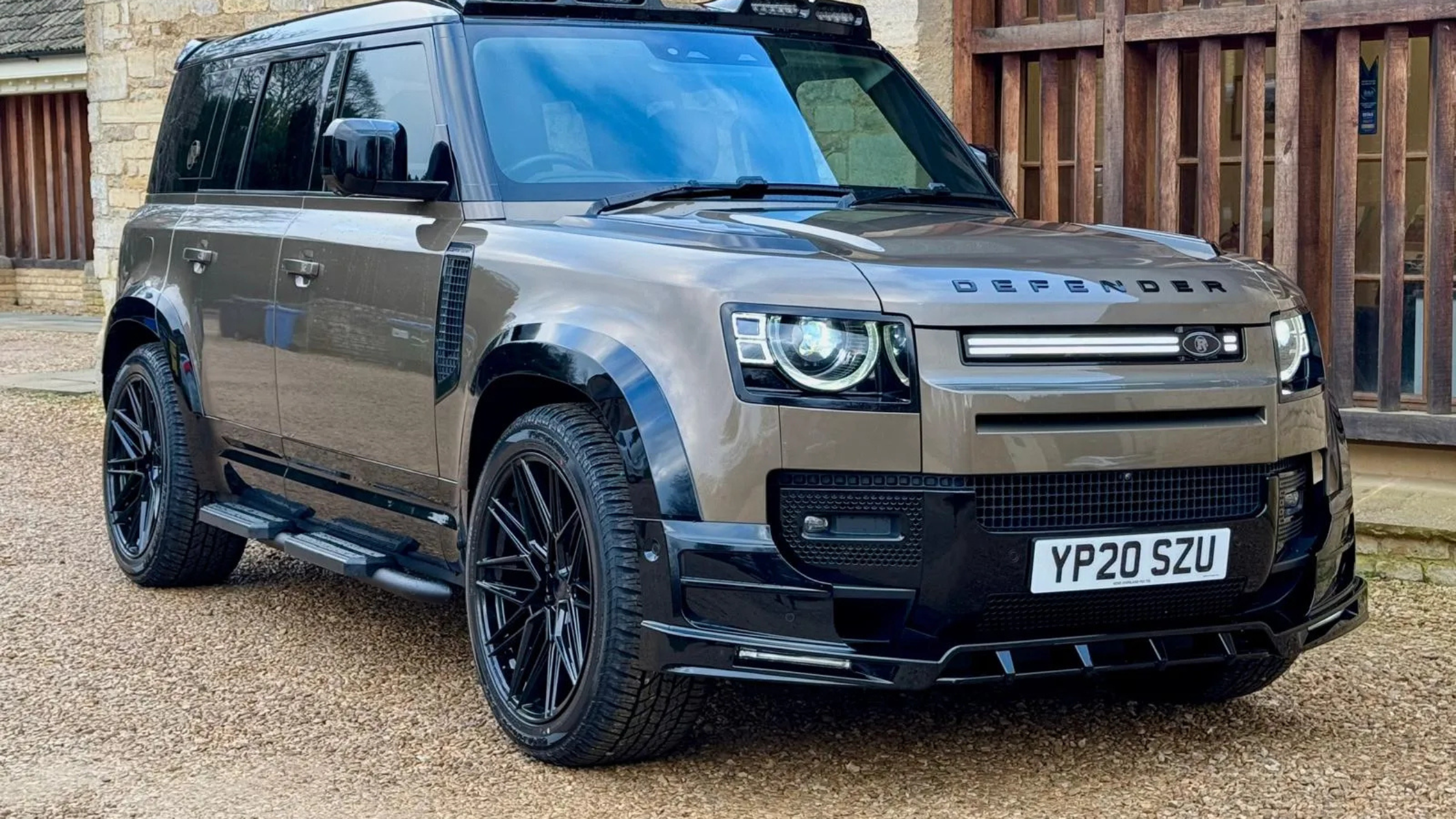
How to Avoid Getting Overcharged at a Body Shop

To avoid being overcharged at a body shop, verify whether the shop is certified by your vehicle’s manufacturer, check that your estimate specifies genuine (factory-approved) parts, confirm that ADAS safety system calibration is included if your vehicle is modern, and review a detailed written estimate rather than a single total price. Certified collision centers follow documented repair standards, which prevents unnecessary or inflated charges.

Why This Matters

Today’s vehicles are more advanced than ever, especially brands like Mercedes-Benz, Land Rover/Range Rover, Porsche, Subaru, and modern EVs. What looks like a minor cosmetic repair can actually involve:

  • Radar sensors behind bumpers
  • Lane-keeping cameras inside mirrors and windshields
  • Aluminum or composite structural components
  • Multi-stage factory paint systems

So the difference between a correct, safe repair and a guesswork repair is significant in cost, safety, and long-term vehicle value.

At City of Stars Collision Center, we often help customers after they’ve already tried a cheaper shop and now something isn’t working right. This guide is how to avoid that situation altogether.

1. Confirm That the Shop Is Certified to Repair Your Vehicle’s Brand

This is the #1 protection against being overcharged or receiving poor-quality repairs.

Certified collision centers must:

  • Use factory repair procedures
  • Meet facility and tool requirements
  • Have brand-trained technicians
  • Get inspected regularly for quality control

How to Check

Ask: “Are you certified by my vehicle’s manufacturer?”

Then verify on the automaker’s website.

City of Stars Collision Center is certified for:

  • Mercedes-Benz
  • Land Rover / Range Rover
  • Jaguar
  • Subaru
  • Currently onboarding with Porsche South Bay & Audi Beverly Hills

2. Confirm Whether the Shop Uses Genuine Parts

This is one of the most common billing misunderstandings.

Genuine (“Factory-Approved”) Parts

  • Engineered to meet original safety and performance standards
  • Fit correctly and maintain resale value
  • Protect warranty coverage

Aftermarket Parts

  • Cheaper upfront
  • May not meet crash test standards
  • Can cause fit, paint, or sensor issues later

Ask the shop to list the part type on your estimate.
If it’s not specified, get clarification before approving the repair.

3. Make Sure ADAS Calibration Is Included (If Your Car Has Safety Tech)

If your vehicle has:

  • Blind spot monitoring
  • Parking sensors
  • Lane assist
  • Adaptive cruise
  • 360° cameras

Then collision repair must include sensor calibration.

Even a 1–2 mm misalignment can cause:

  • False collision alerts
  • Lane drift warnings
  • Reduced emergency braking response

If the estimate does not mention calibration:

4. Request a Detailed Written Estimate

A fair estimate should clearly list:

Line ItemWhy It Matters
Part numbersConfirms genuine parts vs aftermarket
Labor hours (by task)Prevents inflated labor billing
Materials breakdownShows transparency in paint & supplies
Calibration chargesEnsures safety systems are restored

If the shop refuses to provide detail → choose another shop.

Case Example (From Real Experience at CSCC)

A Range Rover Sport owner came in after repairing at a cheaper shop.
The paint looked fine, but the blind spot sensor kept malfunctioning.

Why?
The shop used the wrong bonding adhesive for the aluminum quarter panel.
The sensor sat 3mm out of alignment, enough to confuse the system.

We corrected the bonding, reinstalled the panel properly, and performed OEM calibration, but the customer paid twice because the first shop skipped essential steps.

Correct repair saves money long-term.

FAQs

Q: Do I have to use the shop my insurance recommends?
A: No, under California law, you always choose your repair shop.

Q: Are certified shops always more expensive?
A: Not necessarily, certified shops simply follow manufacturer pricing standards, which prevents unnecessary charges.

Q: Will fixing my car correctly help resale value?
A: Yes, documented certified repairs are viewed positively by buyers and dealerships.

Look for a shop that offers:

  • Manufacturer certifications
  • Genuine parts
  • ADAS calibration
  • Clear written estimates
  • Technicians trained for your vehicle type

📞 Call: 323-665-5700
📍 4751 Santa Monica Blvd, Los Angeles, CA 90029

Certified Collision Repair vs. Standard Body Shops

A certified collision repair center uses manufacturer-approved parts, equipment, and repair procedures verified through rigorous training standards. This ensures your vehicle is restored to its original safety, performance, and structural integrity. A standard body shop may repair the appearance of damage, but often cannot guarantee crashworthiness, ADAS recalibration accuracy, or warranty protection. For modern cars—especially luxury and performance vehicles—this difference directly affects safety, resale value, and long-term reliability.

Why This Matters More Today Than Ever

Vehicles today are no longer built like cars from 10+ years ago. They now include:

  • High-strength steel and aluminum body structures
  • Advanced Driver Assistance Systems (ADAS) like lane assist + automatic braking
  • Complex sensor networks and computer-controlled safety modules

These systems must be repaired to exact specifications—often down to millimeters.
That level of precision can’t be approximated.

According to I-CAR (the Inter-Industry Conference on Auto Collision Repair), 70%+ of modern vehicles require ADAS recalibration after even minor collisions.
Failure to calibrate can cause life-critical features to malfunction.

Case Example: A Mercedes Front-End Repair

A customer came to City of Stars Collision Center after a low-speed front-end accident.
Another body shop had already:

  • Replaced the bumper
  • Painted the panels
  • Returned the vehicle as “complete”

However, the customer noticed:

  • Lane Keep Assist randomly disengaging
  • Adaptive Cruise Control following too closely
  • The collision warning light flashing occasionally

Upon inspection, we found the front radar sensor was misaligned by only 4 millimeters.
Just 4 mm caused multiple safety systems to fail.

Once we performed OEM-required ADAS recalibration, every function returned to normal.

This is why certification matters.
It protects the systems designed to prevent accidents.

What Makes a Collision Repair Shop “Certified”?

A certified collision repair center is trained and audited by auto manufacturers (OEMs) to ensure repairs meet factory engineering standards.

Certification Includes:

RequirementWhy It Matters
Factory-approved repair proceduresPreserves structural crashworthiness
OEM diagnostic tools & calibration equipmentEnsures electronics and safety systems function exactly as intended
Genuine manufacturer partsGuarantees correct fitment, strength, and sensor compatibility
Ongoing technician training (I-CAR, ASE, OEM Certifications)Keeps repairs aligned with evolving vehicle technology

Most standard body shops do not have access to OEM training, equipment, or repair documentation.

How Certified Shops Protect Vehicle Integrity

1. Structural Repair & Frame Alignment

Modern vehicles are engineered with strategic crumple zones that absorb energy in a crash.

If these are not restored to factory spec, the vehicle may:

  • Bend differently in a future accident
  • Transfer crash force directly to passengers
  • Fail to deploy airbags correctly

IIHS research shows that improper structural repair can increase injury risk by 30% or more in subsequent collisions.

2. OEM vs. Aftermarket Parts: A Critical Difference

Part TypeStrengthFitmentWarrantySafety Rating
OEM (Manufacturer Original)Matches original crash-test designPerfect fitMaintains manufacturer warrantyCertified
Aftermarket (Generic)Variable—often weakerMay require forced fitCan void warrantyNot crash-tested for your vehicle

A cheaper part is not cheaper if it compromises safety.

3. ADAS Recalibration

Most modern vehicles rely on sensors mounted in:

  • Bumpers
  • Windshields
  • Side mirrors
  • Grilles

Even a paint refinish can require recalibration.

Certified shops use factory scan tools to restore systems such as:

  • Automatic Emergency Braking
  • Blind Spot Monitoring
  • Parking Assist
  • Collision Avoidance
  • Lane Departure Warning

A standard shop may not even check these systems.

Addressing a Common Objection

“But a certified shop seems more expensive…”

In some cases, yes—but it costs more because more is being done correctly.

Choosing a non-certified shop can lead to:

  • Repeat repairs (more cost later)
  • Compromised safety
  • Lower resale value
  • Voided manufacturer warranties

Certified repair pays for itself by preventing future damage and protecting the vehicle’s value.

How City of Stars Collision Center Demonstrates Expertise

City of Stars Collision Center is:

  • Manufacturer Certified for major luxury brands
  • I-CAR Gold Class and ASE Master Technician staffed
  • Equipped for OEM Structural Repair
  • Fully qualified for ADAS scanning + calibration
  • Specialists in Mercedes-Benz, Porsche, Land Rover, Audi, and Sprinter platforms

For over a decade, we’ve repaired vehicles for:

 ✔ Dealership networks
✔ Insurance partners
✔ Private luxury owners
✔ Fleet and commercial clients

Craftsmanship, documentation, and safety come first.

If Your Vehicle Was Recently in an Accident:

You don’t need to guess whether repairs were done correctly.

We offer complimentary post-repair inspections to check:

  • Frame alignment
  • Sensor calibration
  • Structural integrity
  • Correct part usage

No cost. No obligation. Just clarity.

📞 Call: 323-665-5700
📍 4751 Santa Monica Blvd, Los Angeles, CA 90029

Sprinter Van Collision Repair

Sprinter Van

Certified Care for Business Owners to Ensure Quality and Minimized Downtime

Certified Mercedes-Benz Sprinter collision repair restores commercial vans to factory standards with genuine parts and manufacturer procedures—protecting structural integrity, safety systems, and your bottom line. When a Sprinter is sidelined, routes miss targets, revenue stalls, and customer SLAs suffer. Choosing a manufacturer-approved collision center with trained technicians, calibrated equipment, and access to OEM components is the fastest, safest path to getting your van—and your business—back on the road.

This guide covers why certification matters, the step-by-step repair process, the role of genuine parts, advanced services for fleets, shop-selection criteria, cost and timeline factors, emerging technology and sustainability practices, common damage types, and practical FAQs for commercial operators.

Why Certified Mercedes Sprinter Collision Repair Is Essential for Business Owners

A Sprinter is a revenue asset. Certified repair protects that asset by ensuring:

  • Warranty alignment: Work follows Mercedes-Benz repair documentation and position statements.
  • Safety compliance: ADAS, braking, restraint, and structural systems are restored and documented.
  • Uptime focus: Certified facilities are set up for predictable cycle times and parts logistics.
  • Resale value & risk control: Genuine parts and repair traceability maintain value and reduce liability.

Bottom line: Certification ties every procedure—disassembly, measuring, structural repair, refinishing, programming, calibration—to the way the vehicle was engineered to perform.

Benefits of Manufacturer-Certified Repair for Sprinter Vans

  • Warranty Preservation – Procedures and parts meet OEM requirements.
  • Exact Panel Fit – Factory specs minimize rework and wind/noise issues.
  • Safety Assurance – Calibrated ADAS (radar, camera, ultrasonic) and verified structure.
  • Resale Confidence – Documented, brand-compliant repairs.
  • Consistent Quality – Facilities audited for equipment, training, and process control.

How Certified Technicians Deliver High-Quality Sprinter Repairs

Certified technicians are trained on Sprinter chassis dynamics, aluminum/steel joining, corrosion control, electrical architecture, and ADAS calibration. They use:

  • Digital measuring systems to compare rails, mounting points, and body datum to factory blueprints.
  • Approved frame benches/jigs to realign structure within tolerance.
  • Mercedes-specific diagnostics to code modules, clear crash data where applicable, and run post-repair checks.
  • Refinish systems matched to OEM specs for durability and gloss.

This depth of training reduces comebacks and protects fleet reliability.

Risks of Using a Non-Certified Shop

  • Structural shortcuts (improper pulling/heating) can change load paths and induce fatigue.
  • Sensor misalignment leads to false ADAS alerts—or no intervention when needed.
  • Aftermarket part variances create fitment, corrosion, and warranty issues.
  • Unplanned downtime from rework, parts returns, or claim disputes.

Savings on day one can turn into operational and safety costs later.

The Certified Sprinter Repair Process (Step by Step)

  1. Intake & Damage Mapping
    • Visual inspection + scan of fault codes; battery and safety protocols initiated.
    • 3D or laser measuring establishes baseline vs. OEM geometry.
  2. Estimate & Plan
    • Written plan lists structural pulls, sectioning, part numbers, refinishing, calibrations, programming, and QC checkpoints.
  3. Structural Repair & Frame Straightening
    • On an approved bench, hydro-mechanical pulls restore rails/mounts to spec.
    • Sectioning/reinforcement follows OEM diagrams; anti-corrosion treatments applied.
  4. Parts Replacement (Genuine OEM)
    • Bumpers, reinforcements, panels, glass, sensors, and mounts replaced per the plan.
  5. Refinish & Curing
    • Spectrophotometer color match; waterborne base/clear or approved systems; bake/IR cure.
  6. Systems, Programming, & ADAS Calibration
    • Ride height alignment as needed; static/dynamic calibration for radar/cameras; module coding and self-tests.
  7. Road-Test & Quality Audit
    • Road validation for noises, tracking, ADAS behavior; final documentation with photos and calibration records.

Advanced Collision Services for Fleets

  • Fleet-priority scheduling and dedicated bays to compress cycle time.
  • Insurance claim assistance with complete documentation and OEM justifications.
  • Status reporting (milestones, photos) for your operations team.
  • Preventive inspections to catch corrosion and seam issues before they cascade.
  • Accident management: tow, intake, rental coordination, and single-point communication.

Choosing the Right Sprinter Body Shop (Selection Criteria)

  • Factory credentials visible (Mercedes-Benz collision certification, I-CAR, etc.).
  • Equipment list: approved frame bench, measuring system, spray booths, IR curing, ADAS targets, and OEM scan tools.
  • Process transparency: sample repair plans, QC checklists, and warranty terms in writing.
  • Throughput & parts logistics: proven lead-time management for commercial accounts.
  • References: fleet testimonials and before/after case studies.

Questions to ask:

  • When were your certifications last renewed?
  • What’s your typical cycle time for commercial Sprinters?
  • Which ADAS calibration methods do you use (static/dynamic)?
  • How do you prioritize fleet vehicles and communicate status?

Costs & Timelines: What to Expect

Cost drivers

  • Structural severity and number of replaced components
  • ADAS scope (glass, bumpers, brackets, mounts) and calibrations
  • Parts mix (aluminum/steel, sensors, glazing) and lead times
  • Programming/initializations after repair

Time drivers

  • Parts availability and paint booth scheduling
  • Calibration bay access and road-test windows
  • Parallel processing (structure vs. parts prep vs. refinish)

Planning for downtime

  • Use rentals or route reshuffling; schedule staggered vehicle drop-offs; address light damage early to avoid compounding issues.

Technology That Elevates Repair Quality

  • Computer-guided frame benches for repeatable pulls.
  • Digital color-matching (spectro) for cleaner blends and fewer repaints.
  • OEM diagnostic suites for programming, coding, and post-repair health checks.
  • Dedicated ADAS calibration bays with leveled floors and OEM targets.
  • Thermal/IR curing to speed refinish while maintaining finish integrity.

Sustainability Practices for Commercial Operators

  • Low-VOC, waterborne coatings and filtered spray environments.
  • Energy-efficient curing and LED task lighting.
  • Recycling of metals, bumpers, and masking byproducts where available.
  • Process controls that reduce rework (and therefore waste).

Sustainability supports corporate responsibility goals without sacrificing quality.

Common Sprinter Damage & Typical Repairs

  • Front/Rear Bumper & Sensor Zones – Replace covers/absorbers, re-aim radar/cameras, verify mounts.
  • Side Panels/Sliding Door – PDR or panel replacement; seam sealing and corrosion treatment.
  • Underbody/Frame Rails – Measure → bench pulls → sectioning per OEM → anti-corrosion coatings.
  • Glass/Windshield – OEM glass for camera mounts; recalibrate ADAS post-install.

FAQs for Business Owners

Will certified repairs help with resale or lease turn-in?
Yes—documented, OEM-compliant work typically preserves value and reduces end-of-term charges.

Do all repairs require ADAS calibration?
If sensors, brackets, glass, bumpers, ride height, or alignment are affected—or the OEM calls for it—calibration is required.

Can aftermarket parts reduce downtime?
They can introduce fitment and calibration issues that extend cycle time. OEM parts are the safest path to quality and warranty compliance.

How can I shorten cycle time?
Fast approvals, pre-ordering parts, fleet-priority scheduling, and clear scope (including calibrations) keep jobs moving.

Put Your Sprinter Back to Work—Safely and Quickly

Certified collision repair for Mercedes-Benz Sprinter vans protects safety, preserves warranties, and minimizes downtime. With documented procedures, genuine parts, calibrated ADAS, and commercial-grade workflows, your routes and customers stay on schedule.

City of Stars Collision Center — Commercial & Fleet Certified
📍 4751 Santa Monica Blvd, Los Angeles, CA 90029
📞 323-665-5700