
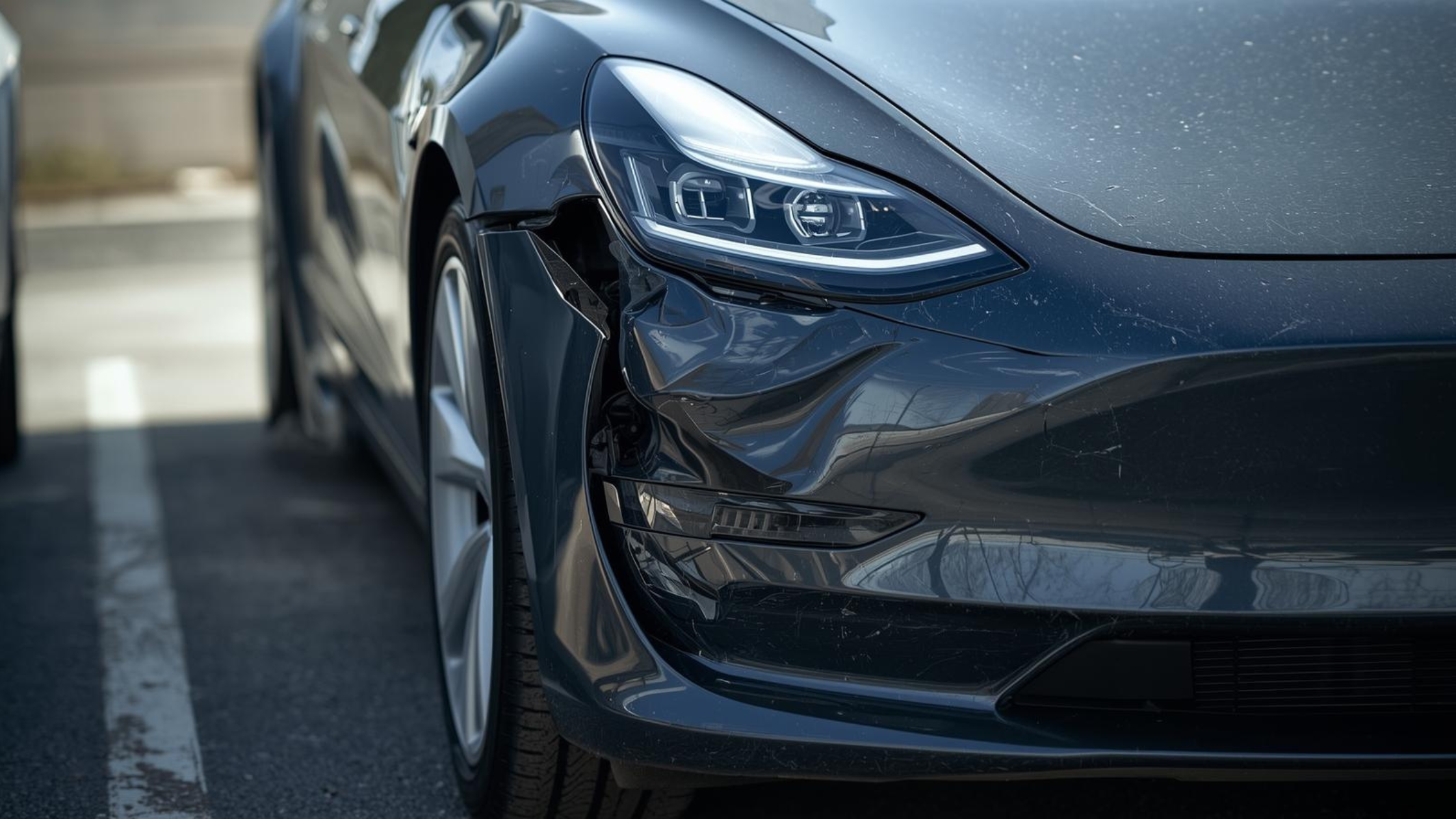
Electric vehicles are changing the way cars are built, repaired, and inspected after a collision. What many EV owners don’t realize is that battery damage is one of the most serious and most overlooked issues after an accident, especially when the damage is not obvious from the outside.
A vehicle may have a small dent, a cracked bumper, or minor underbody contact and still suffer hidden battery-related issues that most body shops never inspect. This is why EV battery inspection after a crash is becoming one of the most important steps in modern collision repair.
At City of Stars Collision Center, we routinely inspect electric and hybrid vehicles after accidents and discover battery housing damage, compromised mounting points, or warning signs that were completely missed during the initial estimate.
Understanding what to look for can protect your vehicle, your safety, and prevent extremely costly problems later.
Why EV Batteries Are So Vulnerable in Collisions
Unlike traditional vehicles, EVs store their power in large battery packs mounted along the floor of the vehicle. This location lowers the center of gravity and improves performance, but it also places the battery in a position where it can be affected by impacts that seem minor.
The battery pack is protected by shielding and structural components, but it is still vulnerable to:
- Underbody impacts from curbs or road debris during a crash
- Side impacts that transfer energy through the frame
- Rear or front collisions that shift mounting points
- Stress transferred through the vehicle’s structure
Damage doesn’t have to be direct. The force of the collision can travel through the frame and affect the battery enclosure without leaving obvious signs outside.
The Battery Housing Is Just as Important as the Battery Itself
The battery pack sits inside a sealed protective housing. If this housing becomes bent, cracked, or stressed, it can compromise the integrity of the battery even if the cells inside are not immediately damaged.
After an accident, a proper EV battery inspection after a crash should include checking:
- Battery mounting points
- Protective shielding and enclosure
- Signs of deformation in the underbody structure
- Possible fluid intrusion or seal compromise
Most non-specialized shops never perform this level of inspection because the damage is not visible unless the vehicle is lifted and examined thoroughly.
Warning Signs May Not Appear Right Away
One of the most dangerous aspects of battery damage is that warning lights may not turn on immediately. The vehicle may still start, drive, and charge normally.
Weeks later, you may experience:
- Reduced driving range
- Charging issues
- Random warning messages
- Electrical system malfunctions
By the time these symptoms appear, the damage has already progressed. This is why battery-related issues must be checked immediately after a collision, not after problems start.
Why Underbody Impacts Are a Major Red Flag
During many accidents, vehicles are pushed into curbs, medians, or debris. Even if the body panels look fine, the underbody may have taken a significant hit.
For EVs, this area is critical because it is where the battery system lives.
A proper inspection should look for:
- Scraping or dents along the battery shield
- Deformation in the floor structure
- Signs that the battery enclosure absorbed impact
- Loose or stressed mounting hardware
This type of inspection is often skipped if the visible damage is focused elsewhere on the vehicle.
Structural Movement Can Affect the Battery System
Even if the battery area was not directly hit, hidden frame damage can shift the geometry of the vehicle just enough to place stress on the battery pack and its mounting system.
EV battery packs are mounted with precise tolerances. Structural misalignment after a crash can create tension or pressure points that were not present before. Over time, this can lead to failure or internal battery issues.
This is another reason why structural measurement is critical during EV collision repair.
Improper Repairs Can Make the Problem Worse
If a shop begins repairing body panels or structural areas without first checking the battery system, they may unknowingly worsen the issue.
For example, straightening a frame or adjusting structural components without verifying battery alignment can place additional stress on the battery enclosure.
Certified and experienced EV repair facilities understand that battery inspection must happen before structural repairs are finalized.
EV Fires and Thermal Events Are Rare but Serious
While rare, damaged EV batteries can lead to thermal events if not properly addressed. This is why manufacturers have strict guidelines for battery inspection after any collision, even minor ones.
These guidelines often require:
- Diagnostic scans of battery systems
- Visual inspection of battery housing
- Structural measurement of the surrounding areas
- Specific safety procedures when working near the battery pack
Shops unfamiliar with EV repair may not follow these procedures because they are not trained to recognize the risk.
Insurance Estimates Often Overlook Battery Inspection
Just like structural damage, battery inspection is rarely included in initial insurance estimates because it is not visible. If the estimator does not specifically request it, the step may be skipped entirely.
This can leave EV owners driving a vehicle with undetected battery-related issues that only surface later.
EV Collision Repair Requires a Different Approach
Electric vehicles require a different mindset when it comes to collision repair. The focus is not just on panels and paint, but on:
- Battery safety and integrity
- Structural alignment affecting the battery system
- Diagnostic scanning and system checks
- Manufacturer repair procedures specific to EVs
Without this approach, critical areas go unchecked.
Why a Proper EV Battery Inspection After a Crash Matters
A thorough inspection after an accident can prevent:
- Long-term battery degradation
- Expensive battery replacement costs
- Charging and electrical problems
- Serious safety risks
This step is not optional for EVs. It is essential.
Trust a Shop That Knows What to Look For
At City of Stars Collision Center, we understand the unique requirements of electric and hybrid vehicle collision repair. Our inspection process includes checking the areas most shops overlook, especially when it comes to battery safety and structural alignment.
If your EV has been in an accident, even a minor one, do not assume the battery system is unaffected just because the exterior looks fine.
Contact City of Stars Collision Center today to schedule a professional EV inspection and ensure your vehicle is safe to drive and charge with confidence.
📞 Call: 323-665-5700
📍 4751 Santa Monica Blvd, Los Angeles, CA 90029
